

























































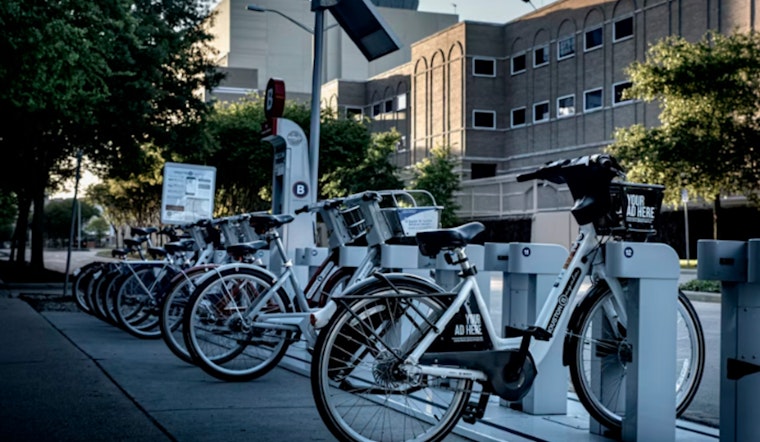
California is moving to regulate high-powered electric bicycles as a new bill reaches Sacramento. The push comes after a surge in serious e-bike crashes that are increasingly appearing in emergency rooms.
What AB 1557 Would Change
Assembly Bill 1557, introduced Jan. 8 by Assemblymember Diane Papan, would tighten the state’s definition of an electric bicycle by capping motor output. Under the proposal, an e-bike must have an electric motor that “is not capable of exceeding 750 watts of peak power.” Any machine designed or modified to go beyond that limit would lose its e-bike status under California law, which matters for where it can be ridden and how it is regulated, according to LegiScan.
Why Lawmakers Are Acting
Backers of the bill point to a steep climb in injuries tied to electric bicycles. A national analysis of emergency-department data estimated e-bike injuries jumped from about 751 cases in 2017 to roughly 23,493 in 2022, with hospitalizations rising as well, according to a study published in JAMA Surgery.
Lawmakers' Pitch And The Market Problem
Papan has argued that part of the e-bike market has spun out of control, describing segments of manufacturing and aftermarket modification as “the wild west” and saying the bill is meant to “enhance safety without banning e-bikes,” as reported by CBS 8. Local coverage has also highlighted that some motors and controllers can be modified into the thousands of watts, far beyond the 750-watt line the bill would set.
Legal Implications For Riders
Once a machine no longer qualifies as an electric bicycle under state law, it can fall into other vehicle categories that carry stricter requirements. The California Department of Motor Vehicles notes that motor-driven cycles and mopeds typically need registration and an M-class motorcycle license, and those classifications can limit access to bike lanes and multi-use paths that are generally reserved for traditional bicycles and legally defined e-bike classes, per the California DMV.
What’s Already On The Books
California has already begun tightening e-bike rules. Measures enacted in 2025 require e-bikes to use rear reflectors or flashing red rear lights at all times and prohibit selling devices or apps designed to unlock higher speeds, according to legislative summaries and trackers. The California Highway Patrol has flagged several of those new laws as taking effect Jan. 1, 2026, and the technical bill text is available through legislative trackers such as OpenStates.
What Riders And Retailers Should Watch
Owners of higher-power models may want to double-check their bike’s labeling and steer clear of aftermarket “unlocks” that could bump a machine into a different legal category. Retailers, meanwhile, could face more scrutiny to verify motor wattage and overall compliance. AB 1557 will now work its way through Assembly committees in the coming weeks, where advocates, retailers and safety groups will get their say as lawmakers decide how hard to clamp down on California’s fastest e-bikes.



