

























































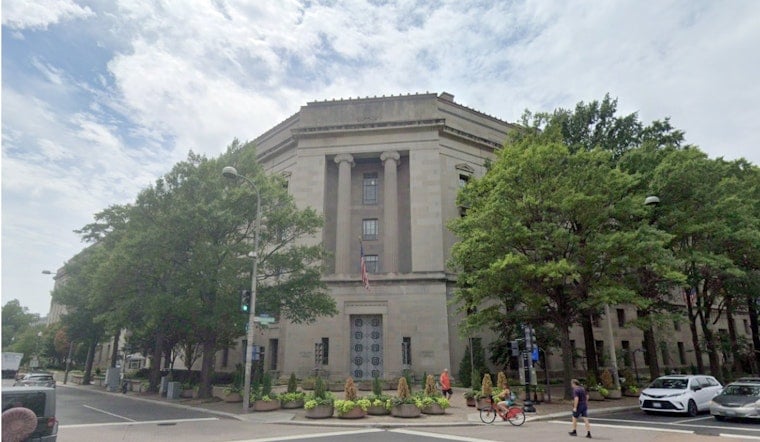
Federal prosecutors say Santa Clara-based data firm Cloudera quietly funneled American job seekers into a dead-end email inbox, effectively locking U.S. workers out of at least seven high-paying tech roles while steering hiring toward temporary visa holders.
In an administrative complaint filed Tuesday, the Justice Department’s Civil Rights Division alleges the company ran a separate recruitment track tied to the federal PERM sponsorship process, structured to favor temporary-visa candidates and to discourage outside U.S. applicants from being seriously considered.
According to the U.S. Department of Justice, Assistant Attorney General Harmeet K. Dhillon used the announcement to remind employers that they cannot treat PERM recruitment as a backdoor way to sideline American workers.
Cloudera, for its part, is pushing back. The company said it does not discriminate against U.S. workers or anyone on the basis of citizenship status and characterized the email problem at the center of the case as a technical misfire. In a statement provided to HR Dive, Cloudera said the recruiting email address in question "was simply not working as intended," adding that it has cooperated with the government and plans to address the allegations through legal channels.
The 'email trap,' according to prosecutors
At the heart of the case is a single email address: [email protected].
Prosecutors say Cloudera told outside candidates to submit applications to that inbox, only for messages to bounce back with a Google Groups notice that the group you tried to contact (AMERJobPostings) may not exist. Because the mailbox did not accept external messages, the complaint alleges, Cloudera logged no outside applications through that channel for roughly nine months and did not follow up to find out why.
The government says those details, drawn from the underlying filing and related case materials, show a recruiting setup in which U.S. applicants were funneled into an email address that did not function while the company advanced PERM-track hiring separately.
Jobs, pay and the disputed timeline
The complaint focuses on at least seven openings tied to the PERM process, including product manager roles and senior engineering positions. Posted salary ranges for those jobs ran from roughly $180,000 to $294,000.
Prosecutors say the conduct at issue stretched from March 31, 2024, through at least January 28, 2025. During that period, according to the filing, Cloudera did not post the PERM-related positions on its public careers site and did not route applications for those roles through its standard online portal.
The Justice Department argues that using a separate, less visible path for PERM hiring made that recruitment track "materially different" from the company’s normal hiring process and had the effect of deterring or excluding U.S. workers.
What the feds want from Cloudera
The government is asking an administrative law judge to order Cloudera to halt the alleged practices and to impose civil penalties if the pattern or practice claims are proven.
The complaint also seeks back pay with interest for any protected individuals found to have lost wages because of the company’s actions. On top of that, the Justice Department is asking for injunctive relief and any additional remedies the agency deems appropriate if it prevails at the hearing.
A test case in a broader crackdown
The Cloudera action slots into the Justice Department’s ongoing Protecting U.S. Workers Initiative, which has zeroed in on how major employers handle PERM-based recruitment.
In recent years, that effort has produced a large settlement with Apple in 2023 and a multi-million resolution with Facebook in 2021, signaling that federal officials are watching for hiring practices that deviate from an employer’s usual recruitment channels when permanent residency sponsorship is on the table.
The Cloudera case was filed with the Office of the Chief Administrative Hearing Officer and will move forward through administrative proceedings. Court documents show Assistant Attorney General Harmeet K. Dhillon and other Civil Rights Division lawyers are overseeing the matter.
Cloudera has denied the allegations, and both sides are preparing to litigate the claims. For now, the government’s complaint sets out accusations, not established facts, and the question of liability remains unresolved.




