

























































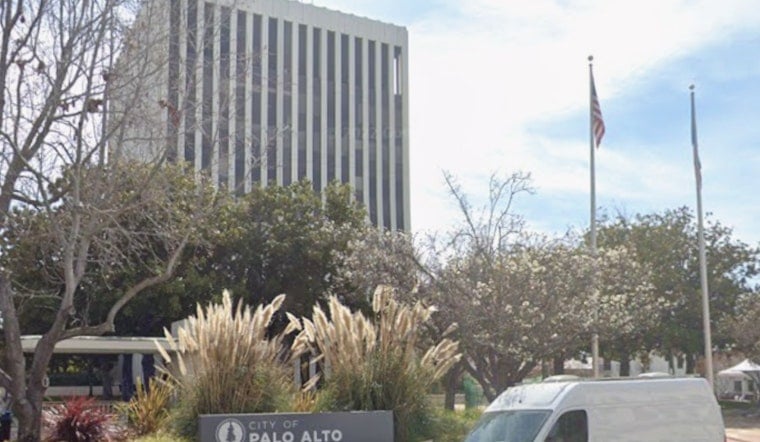
Text messages obtained under the California Public Records Act show that Palo Alto Councilwoman Julie Lythcott‑Haims voted against appointing volunteer Allyson Rosen to the city's Human Relations Commission after raising concerns about Rosen’s public views on Gaza and on math acceleration in local schools. The messages, first published by the Palo Alto Daily Post, include a private group chat in which another local official bluntly advised, “do not let her on there.” Rosen ultimately received no votes in the council appointment round. Lythcott‑Haims declined an in‑person interview; in an email to reporters, she wrote that she gives candidates an opportunity to explain themselves and that how they answer shapes whether she would feel comfortable supporting them.
Texts, group chat and the appointment vote
According to the Palo Alto Daily Post, the text messages were turned over after a California Public Records Act request and show a group chat that included Jennifer DiBrienza, Nicole Chiu‑Wang and Nana Chancellor weighing in on Rosen’s nomination. One message quoted in the report urged, “do not let her on there,” a line that Rosen supporters say reads as a pre‑emptive shutout of a resident who had stepped up to serve.
The Palo Alto Daily Post reports that Rosen told reporters she was “very struck by how disrespectful it was” and argued that the exchange undercuts public trust in the appointment process. Councilmember Lydia Kou, speaking to reporters, described Lythcott‑Haims as “scolding and condescending” toward Rosen during an interview about the nomination, characterizations that appear in the records reviewed by journalists.
What the Human Relations Commission does
The Human Relations Commission exists to promote the just and fair treatment of all people in Palo Alto, particularly our most vulnerable populations, according to the commission page from the City of Palo Alto. City materials note that the panel advises the council on discrimination, inclusion and community‑building issues, and that commissioners are appointed by the mayor and council at public meetings.
Those same city rules instruct council members to refrain from lobbying boards and commissions and to treat appointment interviews as a chance to assess candidates, language spelled out in council protocol and procedure materials. The City of Palo Alto policy guide lays out those boundaries for council conduct.
Local context and recent controversies
The episode unfolded during weeks of heightened debate in Palo Alto over school math acceleration, ethnic studies and local responses to the war in Gaza, topics that have already put the council under a microscope. Earlier coverage has noted that Lythcott‑Haims has faced criticism for how she handled complaints about public comments and for other controversies reported by local outlets, which helps explain why even a volunteer appointment to the Human Relations Commission can turn politically charged.
Palo Alto Online previously reported on a clash that led to a public rebuke, underscoring how sensitive council decisions involving community relations have become.
The commission’s public roster lists the members who will continue the panel’s work; the city directory shows Salwa Ansari and Sridhar Karnam among current commissioners. For now, the text messages sit in the public record and have revived local questions about how elected officials vet volunteers for boards that handle some of Palo Alto’s most delicate human‑relations issues.



