

























































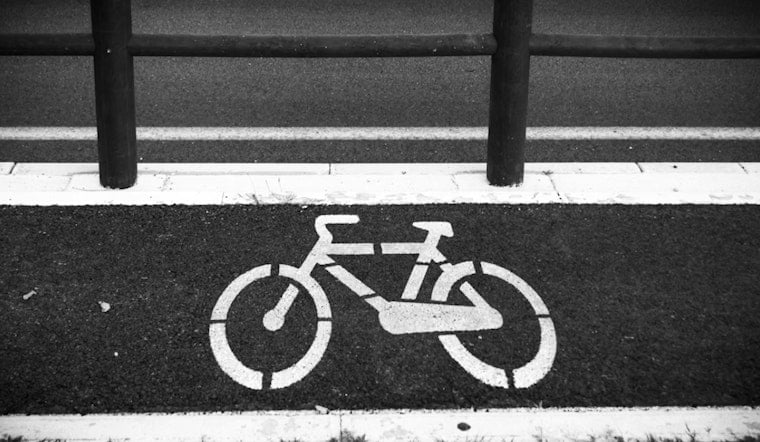
Downtown San Jose’s bike lanes are getting a serious upgrade, and this time it is going to be a lot harder for drivers to drift over the line. Crews have begun installing long, raised concrete dividers along several central corridors, replacing the short plastic bollards that marked many of the city’s “protected” lanes. Cyclists say the new islands are far more visible and much tougher to ignore, while city staff describe the work as part of a multi-year push to turn quick-build lanes into permanent, curb-protected routes.
Where the barriers are going
According to project documents, the new concrete islands are going in on San Salvador Street from Fourth to Eighth streets, on Third and Fourth streets between Julian and Reed, and on San Fernando Street between Almaden Boulevard and 11th Street, with more upgrades planned along connecting corridors. The work swaps out the temporary plastic posts for permanent concrete curbs and landscaping as part of Better Bikeways Phase II, according to the City of San José.
Riders and neighbors weigh in
People who bike downtown regularly say the heavier-duty protection has been a long time coming. David Lopez, a 52-year-old cyclist who was hit by a driver while he was in a crosswalk on 10th Street, told The Mercury News that the new concrete treatments may help prevent incidents like his. Another longtime resident, 73-year-old Minh Vu, said the islands make him feel safer when he walks and bikes through downtown, the paper reported.
Timing and construction phases
City planning records show the project moved from design into bidding and construction late last year, with work scheduled in stages so downtown does not get completely torn up at once. The city says the downtown “Quick-Strike” upgrades are being sequenced so crews can convert quick-build lanes into permanent, curb-protected facilities while avoiding conflicts with major events, according to the City of San José.
Funding and safety goals
The concrete upgrades are tied directly to San Jose’s Vision Zero and climate goals and are backed by state and regional dollars. Caltrans set aside $8.2 million for the San Fernando corridor in a statewide active transportation funding package, and regional planning efforts describe downtown Better Bikeways as a key piece of a safe, all-ages bike network. Caltrans and regional planners say the projects are intended to help the city hit those safety and sustainability targets.
What riders should expect
When the dust settles, the upgrades are expected to include raised curbs, landscaped sections, and concrete transit-boarding islands where bus stops share space with bike lanes, along with frontage lanes on Second, Third, 10th and 11th streets to keep bikes separated from turning vehicles. Construction will bring temporary parking changes and phased work zones, and regional planning documents outline where frontage lanes and permanent islands will be installed. For a closer look, check the VTA planning report.
The city says it will keep talking with neighbors and businesses as each corridor comes up for construction and is asking drivers and riders to follow temporary signs while crews finish the job. Residents and cyclists say they will be watching closely to see whether the concrete islands actually cut down on the kinds of collisions that pushed San Jose to trade flimsy plastic posts for permanent dividers in the first place.




