

























































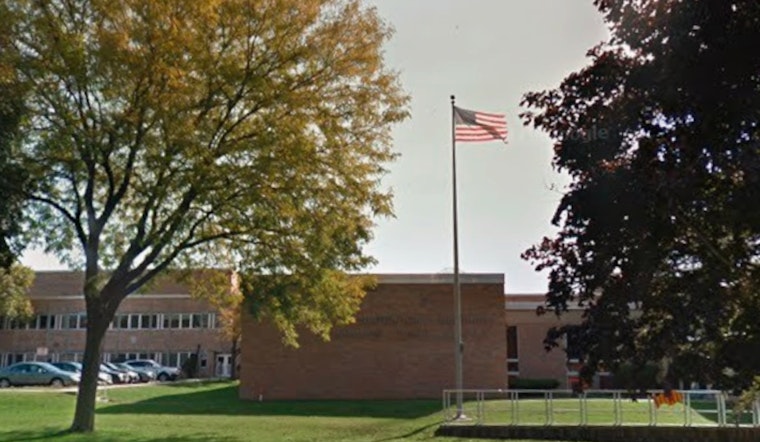
New police logs and school records show officers are playing a big role inside Milwaukee Public Schools in the early months of the district’s new police program, with dozens of citations and frequent calls for help. The pattern has parents and school board members demanding tighter rules on when officers should step into student discipline, while community leaders say the numbers, and who is getting pulled into the system, are reigniting an old fight over whether police belong in everyday school conflicts at all.
What the records show
A review of school resource officer records from mid March through mid June 2025 found roughly 200 calls for service, about 36 incident reports and dozens of citations tied to school incidents. Within that window, 93 citations added up to more than $13,000 in fines and ranged from roughly $94 to $376 each, a financial hit that critics warn can nudge students and families deeper into the justice system, according to the Milwaukee Journal Sentinel.
How many times police were called
Those figures sit next to broader districtwide numbers. Records obtained by the Milwaukee Neighborhood News Service show MPS generated nearly 900 unique calls for police service from March 17 through June 13, 2025, which works out to about 16 calls on an average school day. Local reporters and oversight officials say that without a clear, districtwide rulebook for when to summon officers, principals are making case by case decisions that lead to uneven responses from one campus to the next, according to Milwaukee Neighborhood News Service.
Who was most affected
The Journal Sentinel review also found a sharp racial gap. Of 92 students named as suspects or cited in the records, about 85 were Black, roughly 93 percent, even though the 25 schools included in those records had student bodies that were on average about 63 percent Black, and the district overall is roughly 48 percent Black. Civil rights groups and local advocates say that pattern mirrors national concerns about how police in schools disproportionately affect students of color, and they are calling for clearer guardrails so classroom problems do not automatically turn into criminal cases, as reported by the Milwaukee Journal Sentinel.
Parents and advocates push back
Behind the statistics are specific incidents that have parents on edge. Community groups point to cases where staff reported they could not remove or manage a student and called in officers instead, as well as several situations that started as school rule violations but escalated into use of force. A review by Milwaukee Neighborhood News Service tracks those use of force incidents and includes interviews with neighbors, advocates and some school officials who fear the program is criminalizing routine behavior rather than addressing underlying issues, per Milwaukee Neighborhood News Service.
Legal and policy context
The officers’ return to MPS followed the passage of Wisconsin’s Act 12 and a court fight over compliance. The state law requires that at least 25 officers be assigned to the district, and city and school officials rolled out the program in March 2025 after a judge pressed them to follow the mandate. A memorandum of understanding spells out training and reporting rules and instructs officers to prioritize criminal matters, but it does not create a single, public protocol for how they should respond to everyday school discipline situations, according to reporting by WISN.
What comes next
School Board President Missy Zombor has introduced a resolution that would spell out when police should stay out of non criminal behavior, including issues such as dress code violations, loitering and profane language. The measure would also require the superintendent to draft a district policy that reflects the board’s direction. That proposal, and the tension surrounding it, is set to dominate upcoming board meetings as families and advocates push for clearer rules and more alternatives to policing inside Milwaukee’s schools.





