

























































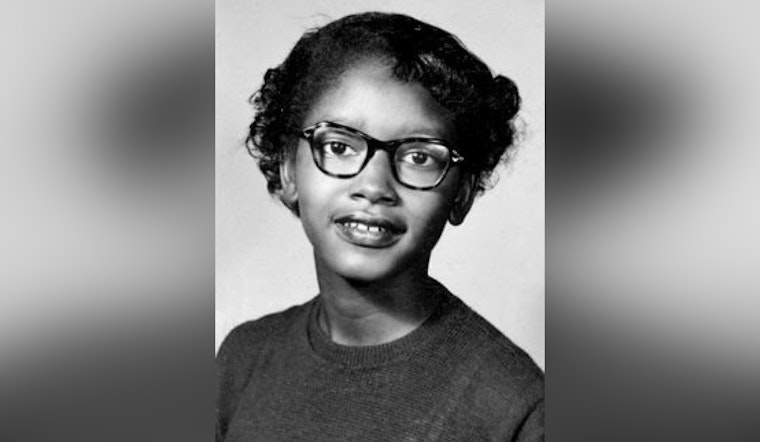
Claudette Colvin, the Montgomery teenager whose refusal to surrender her bus seat helped lay the legal groundwork for desegregating America's public transit, has died at 86 in Texas. Her passing closes the chapter on one of the early and too often overlooked catalysts of the modern civil rights movement.
Her death was announced Tuesday by the Claudette Colvin Legacy Foundation. Ashley D. Roseboro of the organization confirmed Colvin died in Texas, according to MySanAntonio. The outlet, carrying an Associated Press byline, recounts Colvin’s life and central role in the legal fight against bus segregation.
A Stand Months Before Rosa Parks
At just 15, Colvin was arrested on March 2, 1955, after she refused to move to the back of a Montgomery bus. Her act of defiance came nine months before Rosa Parks’ more widely remembered protest. The incident, along with Colvin’s later role in litigation that directly challenged bus segregation, is documented by Britannica.
From Protest To Landmark Case
Colvin went on to become a named plaintiff in Browder v. Gayle, the federal case filed in early 1956 that led a three-judge panel to rule Montgomery’s bus segregation laws unconstitutional. The Supreme Court affirmed that ruling later the same year, as outlined by the Stanford King Institute. The decision, together with the year-long Montgomery Bus Boycott, helped end segregated seating on public buses and energized the wider push for civil rights across the country.
Later Life And Legal Vindication
Colvin later moved to New York, where she spent decades working as a nurse’s aide while her pivotal early activism remained unfamiliar to many Americans. In 2021, a judge ordered her juvenile record expunged, a move supporters argued finally corrected a long-standing injustice. That development was reported in outlets carrying CNN’s coverage, including KVIA/CNN.
Recognition And Memory
In recent years, historians, authors and community groups have worked to restore Colvin’s place in the public record. Through books, murals and museum exhibits, they have highlighted Colvin and many other women whose acts of resistance made the bus boycott possible. These efforts fit into a broader reevaluation of how the civil rights movement unfolded and whose stories are elevated, as reported by History.
No immediate funeral or memorial plans were announced by the foundation, according to MySanAntonio. Civil rights scholars note that Colvin’s refusal to yield her seat at such a young age helped shape a crucial legal and moral turning point in the nation’s long battle over segregation.





