

























































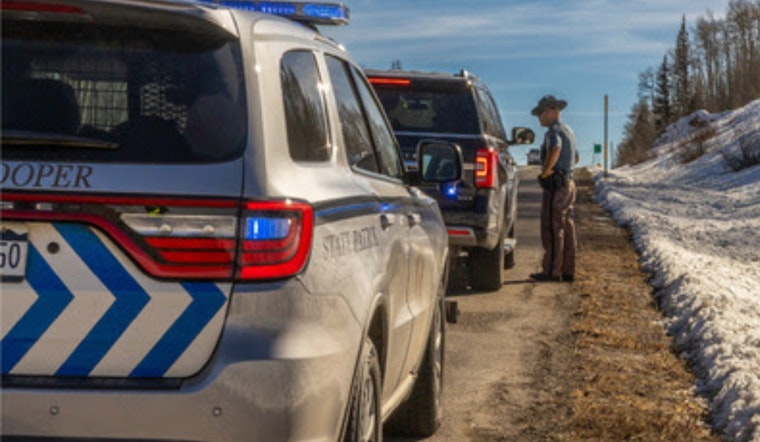
Riding someone's bumper might feel like the norm in rush-hour traffic, but the Colorado State Patrol is on a mission to remind drivers that tailgating is a dangerous form of aggressive driving. Last year alone, troopers investigated nearly 2,800 crashes attributed to drivers not leaving enough space for safe stopping, with the majority resulting in property damage. Tragically, though, 217 individuals weren't so fortunate, ending up injured or dead because of this preventable behavior, according to the Colorado State Patrol.
It's a common misbelief that tailgating might make traffic disperse faster, but Col. Matthew C. Packard, chief of the Colorado State Patrol, assures us that's just wishful thinking. "In most cases, tailgating won’t make traffic move faster," he pointed out in a recent press release, "All it really does is raise the risk of a crash," as per Colorado State Patrol. Their advice to motorists is clear: stay calm, keep to the speed limit, and resist the impulse to respond with your own brand of road aggression, swerving, or speeding up to counter the pushiness in your rearview mirror.
For those feeling the pressure from a tailgater, Colorado State Patrol urges a series of steps, including switching lanes safely, gently applying brakes if necessary, and giving the pressuring driver ample space. Escalation is never the answer, and if you can do so securely, recording information on the offending vehicle and reporting it to *CSP (*277) might prevent future incidents. As Col. Packard cautions, "Drivers can experience road rage for seemingly insignificant reasons, so training yourself to think about safety over making an equal aggressive response is key," as obtained by Colorado State Patrol. Entertaining road rage can escalate situations, detracting focus from what should be everyone's priority, the road ahead and their safety on it.





