

























































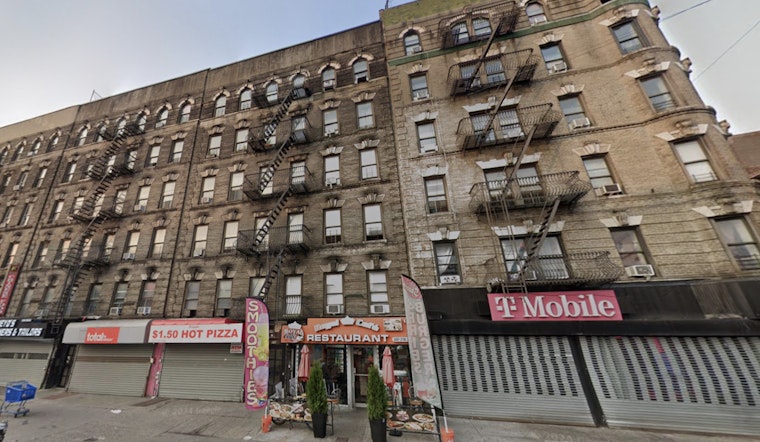
The New York City housing market has seen its share of complexities, but the sale of over 5,000 rent-stabilized apartments from the bankrupt Pinnacle Group to Summit Properties USA has put a spotlight on the entangled nature of such transactions and prompted concern among tenants. According to Gothamist, Summit, helmed by CEO Joel Wiener, won the controversial bid despite connections revealed between Wiener and his brother, Jonathan Wiener, who signed dozens of property deeds and mortgage agreements for properties currently listed by Summit.
May saw Pinnacle Group declare bankruptcy after defaulting on loans, leading to the sale which drew scrutiny due to maintenance issues within their properties, ranging from mold to vermin infestations. Attempted by the tenants to slow the auction down, the deal came under further examination when Mayor Zohran Mamdani intervened on behalf of the tenants. His appeal was to address the maintenance issues they have been facing, arguing that Summit might not have sufficient revenue to tackle the housing code violations, according to a statement obtained by Gothamist.
However, experts in bankruptcy and real estate have indicated that such familial ties are unlikely to affect the legal standing of the sale provided that the lender and presiding judge approve the transaction. In a quote from Gothamist, attorney Leo Jacobs, who specializes in bankruptcy law, conveyed, "If the court’s OK with it, as it was here, that transaction is proper."
Despite concerns, Summit Properties USA claimed victory at the bankruptcy auction. Mayor Mamdani's bid to delay the process was rejected by U.S. Bankruptcy Judge David Jones, allowing the auction to go forward, reported Bloomberg. Summit's statement suggested that their acquisition will "reduce debt owed by those properties by more than $275 million," a move that "unlocks additional cash flow that can be utilized for capital expenditures and preventative maintenance," assuring stakeholders of the positive outcome.
The complexities of the New York real estate market were highlighted by this transaction, with Seth Glasser from Marcus & Millichap, indicating the intricate web of companies capable of buying rent-stabilized buildings in the face of rising costs and capped rents. "There’s a reason why there are so few substantial players in the market interested in buying these," Glasser told Gothamist. Whether the concerns of the tenants will be addressed in the aftermath of the auction remains to be seen as the city prepares for the implications of this major real estate deal.





