

























































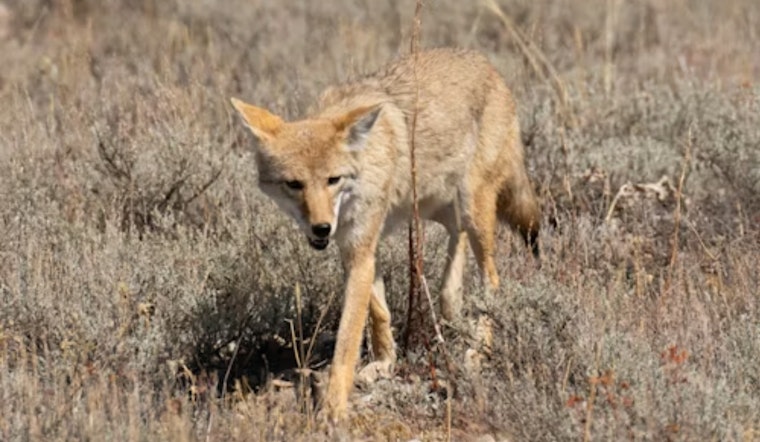
Coyotes are treating a fast-changing Fort Worth neighborhood like their own late-night cut-through, slipping between houses and cruising down residential streets just steps from an active construction site. Neighbors say the animals barely flinch at passing cars or curious onlookers, and the latest viral video has reignited a bigger question: as the city grows, who really lives here first, and who has to adjust?
As reported by WFAA, the station posted the clip today, showing multiple coyotes moving through a residential block next to a busy development site. The short segment captures the animals padding across driveways and pacing along front lawns, and it quickly prompted neighbors to trade stories about recent sightings and worries over small pets. WFAA framed the run-ins as part of a broader pattern in which heavy clearing and construction are squeezing wildlife closer to homes instead of pushing it away.
Experts say the timing is not a coincidence. Seasonal biology and years of urban adaptation help explain why people are noticing more coyotes now. According to KERA News, coyote mating season typically runs from mid-January through early March, and thinner winter vegetation makes the animals easier to spot. Rachel Richter, an urban wildlife biologist quoted in that reporting, describes coyotes as “good urban adapters” that often choose to stay put near people rather than relocate when green space disappears.
How development pushes coyotes into neighborhoods
Across Tarrant County, the same story keeps repeating itself: new subdivisions, roadway projects and infill development slice up the open corridors wildlife once used to move around. Coyotes, being opportunistic predators, do not pack up and leave. They tweak their routines.
Fort Worth Report has documented officials and biologists explaining that coyotes respond to shrinking habitat by changing behavior instead of vanishing, which means more backyard and park sightings for residents. That shift can raise the risk of lost pets or unnerving encounters, even though experts still describe attacks on people as rare.
What residents should do
Wildlife agencies say prevention is the first line of defense. Secure the trash, bring in outdoor pet food, cover compost and keep small pets indoors or closely supervised, especially at night. Per Texas Parks and Wildlife, simple hazing techniques such as loud noises, waving arms, using water hoses or blasting an air horn can help re-establish a coyote’s healthy fear of humans. Officials generally prefer those approaches over trapping or killing animals, except in more serious cases.
Fort Worth Animal Care & Control also urges residents to report aggressive or unusually tame coyotes. Neighbors can contact the city’s animal services for guidance or to file a report by calling 817-392-1234.
Legal notes
State law gives some narrow leeway when a coyote crosses the line from nuisance to active threat. Texas statutes allow a person who witnesses a coyote attacking or about to attack livestock or domestic animals to kill that coyote in defense of the other animal, and a hunting license is not required in that circumstance under Health & Safety Code §822.013. Texas statutes also spell out options for detaining or impounding animals found to be killing livestock or pets.
City rules are stricter. Local ordinances often prohibit firing a gun inside city limits, so officials and wildlife experts advise calling animal services before attempting any lethal response, unless a person is witnessing an immediate attack.
As Fort Worth keeps building out, scenes like the ones caught on camera near cleared lots are likely to pop up along the edges of new projects. Residents and developers alike point to better communication, locked-down food sources and routine hazing as straightforward ways to cut down on conflicts while officials monitor for aggressive or diseased animals. For now, the playbook from wildlife pros stays simple: remove what attracts coyotes to yards, keep a close eye on the little pets and call animal services when something feels off.



