

























































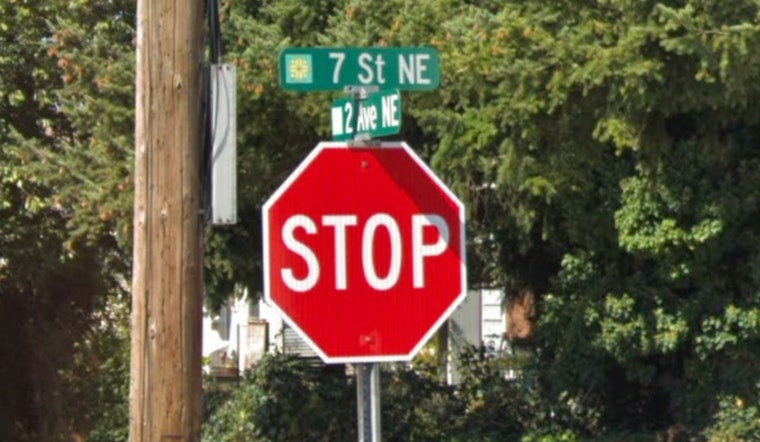
On a short stretch of residential streets just north of downtown Puyallup, neighbors say they have had it with wrecks at their doorsteps and are pushing the city for quick, concrete safety fixes. The tipping point came in October, when a Puyallup High School cross‑country runner was seriously injured in a collision while out training. That crash, residents say, turned long‑simmering frustration into an organized push for change. Homeowner Greg McGough says he went door to door, collected signatures and handed a petition to city officials asking for speed bumps, new stop signs or a roundabout.
WSDOT crash records obtained by The News Tribune show 93 collisions over the past decade on Seventh, Fifth, Fourth, Third and Second avenues between East Main and Fourth Avenue Northeast. Sixty‑eight of those wrecks are listed as having “no apparent injury,” but the tally still covers the exact corridor neighbors have been flagging as a problem.
On Oct. 6, a Puyallup High School cross‑country runner was struck while training in the 600 block of Second Avenue Northeast at Seventh Street Northeast. The athlete was taken to the hospital with serious injuries, witnesses told KIRO 7. Jessica Orth, who saw the collision, told the station, “It looked like he put his hand up to the truck,” and said the coach gave immediate aid before medics arrived.
Puyallup Municipal Court records show the 27‑year‑old driver was cited for operating without a required ignition interlock device and for driving without a valid license or insurance, and police did not immediately suspect impairment, according to The Seattle Times. Court documents say the driver told officers he thought he was traveling about 15 mph on a 25 mph street and that he had slowed when he saw the runner but could not stop in time.
Neighbors Push For Traffic‑Calming Measures
After the October crash, McGough organized a petition and says he collected signatures from roughly 75% of homes on the block before submitting the request to the city on Nov. 4, neighbors told The News Tribune. Residents say traffic regularly backs up at the Fifth Street Northeast and East Main Avenue light and that impatient drivers cut through nearby side streets, often at higher speeds, to get around the congestion.
How Puyallup's Traffic‑Calming Process Works
According to the City of Puyallup, anyone seeking neighborhood traffic‑calming measures must first gather signatures from at least 51% of affected households. The city then scores each request based on factors like vehicle speeds and volumes, and a score of 45 or higher triggers a formal traffic study.
If a study leads to a recommended plan, neighbors vote on it at a meeting, and ballots are mailed to households within 300 feet. At least 60% of returned ballots must approve the plan for it to move forward, the city explains.
City Response And Next Steps
City staff say the traffic study for the intersection showed relatively low vehicle volumes, but officials still plan to present options to neighbors at a February meeting and are working with property owners on sight‑line issues.
Workers have already been in the neighborhood to evaluate trees near the corner, and officials say they will coordinate with property owners to remove trees identified as hazards.
Legal Notes
The driver was not arrested for impairment at the scene, and the case was referred to the Major Collision Response Team, while municipal court records show the ignition‑interlock citation and the questions about license and insurance, according to The Seattle Times. Any criminal or civil consequences will depend on the ongoing investigation and on what prosecutors and insurers ultimately decide.
Neighbors say they plan to press the city hard at the February meeting and to watch closely whether the traffic‑calming process leads to lasting changes instead of short‑term fixes. For now, the 93‑crash tally and the October collision have given residents a new sense of urgency about slowing traffic on streets they view as unsafe.




