

























































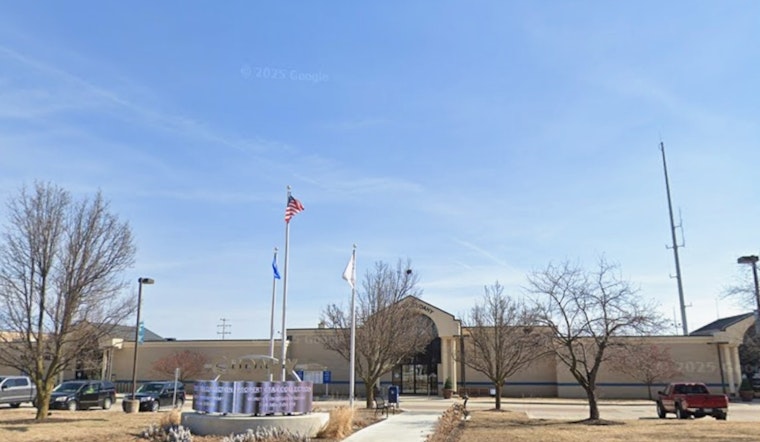
Cudahy is staring down a wheel tax once again, and this time the clock is tied to the city’s 2026 budget. Unless aldermen sign off on changes to close a roughly million-dollar gap, a new vehicle registration fee or noticeable cuts to city services are waiting in the wings. Either route would hit things residents see and use regularly, from street work to community celebrations, and the debate is already heating up at City Hall.
Administrator lays out two paths
City Administrator J.J. Larson spelled out the stakes in a memo to the common council, telling members they essentially have two choices: approve a wheel tax “at an amount sufficient to fund operations” or pass a budget amendment that trims spending across departments. The city’s 2026 budget currently lists a right-of-way fee as “to be determined” after aldermen removed a proposed $50 charge last fall. As reported by Milwaukee Journal Sentinel, Larson framed those two routes as the realistic ways to close the budget gap.
Residents packed the meeting and killed the $50 proposal
Back in November, residents filled the council chambers and lined up to slam the $50 right-of-way fee proposal. After the public comments, aldermen voted 3-2 to strip the $50 figure from the ordinance, effectively shelving that specific plan. The roughly $1.1 million shortfall, however, did not disappear, leaving city officials searching for another way to balance the books. Coverage of that meeting by TMJ4 noted that residents warned the fee would land hardest on people living on fixed incomes.
What an amended budget would cut
Larson’s memo outlines what a budget-cutting amendment would actually mean. Training and education budgets in every department would be underfunded, and staff would go without market-rate salary adjustments. The city would leave a sworn police officer position vacant, along with a clerk/treasurer role. Municipal support for the Fourth of July celebration and National Night Out would be removed, and smaller public-works efforts such as line striping, asphalt patching, and vehicle and building maintenance would all see trimmed budgets. Those details come from the city administrator’s memo and reporting by the Milwaukee Journal Sentinel.
Where the revenue would come from and the bigger picture
If aldermen sign off on it, a right-of-way fee added to local vehicle registrations could generate roughly $600,000 a year. The fee would be collected through the Wisconsin DMV and then forwarded to Cudahy for transportation and related maintenance work. The idea would put the city in step with a broader Wisconsin trend of municipalities turning to wheel taxes to patch their budgets, with Milwaukee and other communities already approving similar measures in recent years. That pattern has been examined by Urban Milwaukee, which notes the growing use of local registration fees as a revenue tool.
What happens next
The council now has to decide whether to put a specific right-of-way fee back into the budget, leave the placeholder there without a number, or accept program and staffing cuts to balance the 2026 plan. Neighbors who showed up in force last fall say they plan to return to City Hall if a wheel tax comes back on the agenda, while aldermen are left with a simple math problem: that million-dollar hole still needs to be filled by someone, somehow.





