

























































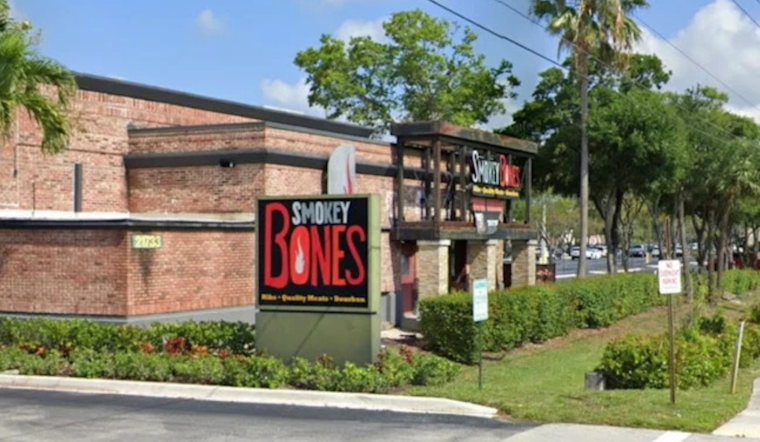
The Dallas company behind Twin Peaks and Smokey Bones has slammed on the financial brakes, with both the chain’s parent and its corporate owner diving into Chapter 11 just months after a splashy public debut.
Twin Hospitality Group, the Dallas-based operator of Twin Peaks and Smokey Bones, and FAT Brands, the franchiser behind Fatburger and Johnny Rockets, filed for Chapter 11 protection overnight. The companies say fans can still grab their wings and watch the game: restaurants are expected to stay open while executives try to hammer out a restructuring plan.
What the filings say
According to a Form 8-K filed with the U.S. Securities and Exchange Commission, Twin Hospitality Group Inc. and several related subsidiaries, together with FAT Brands Inc. and certain affiliates, started voluntary Chapter 11 cases in the U.S. Bankruptcy Court for the Southern District of Texas on Monday. The filing with the SEC says the companies will keep running as debtors in possession and have submitted typical “first day” motions so they can pay employees, vendors and other key bills while the cases get underway.
Company: ‘We’ll protect stakeholder interests’
In a public statement, Twin Hospitality said it plans to use Chapter 11 to “connect with key stakeholders around a value-maximizing plan,” adding that its focus remains on supporting employees, franchisees and guests. The company stressed that Twin Peaks and Smokey Bones locations are expected to keep operating during the process, according to Twin Hospitality.
From buyout to IPO in a hurry
FAT Brands bought Twin Peaks in 2021 for roughly $300 million and then took the business public in January 2025, in a spinoff that pegged Twin Hospitality’s value at around $1 billion, according to coverage at the time. Business Wire detailed the acquisition, while CNBC covered the IPO as it launched, underscoring how quickly the brand went from private equity play to public company.
Creditors turn up the heat
The trip to bankruptcy court follows rising tension with lenders and bondholders who said they wanted their money back sooner rather than later. A Jefferies-backed fund sued over pledged shares tied to the Twin Peaks spinoff, according to The Wall Street Journal. Separately, lenders including UMB Bank accelerated debt and demanded repayment after missed payments, Restaurant Dive reported.
FAT Brands, which sits above Twin Hospitality in the corporate stack, issued its own statement saying it filed Chapter 11 cases to “bolster the capital structure” and that trading of its securities on Nasdaq is expected to continue, with a “Q” added to the ticker symbol while the case is pending. Operations across its portfolio of restaurant brands are expected to continue during the proceedings, according to FAT Brands.
Local roots and what’s on the line
Twin Peaks started in Lewisville in 2005 under founder Randy Dewitt and grew into a national sports-bar chain long before the recent spinoff, according to local reporting. The brand’s Texas roots and Twin Hospitality’s Dallas headquarters are highlighted in coverage by the Houston Chronicle and in company disclosures. For North Texas, that means a homegrown concept is now navigating a very public financial reset.
What happens next
Chapter 11 cases often stretch for months, and sometimes longer, as companies negotiate with creditors and try to map out who gets paid what and when. Twin Hospitality and FAT Brands have posted case information with their proposed claims agent so creditors, franchisees and other stakeholders can monitor key deadlines. Omni Agent Solutions is listed as the claims and noticing agent, and the companies say they will ask the court for authority to keep paying employees and critical vendors as part of their initial “first day” requests.
Legal fallout and creditor battles
The filings open the door for bondholders and other lenders to formally press their claims in court while management pitches a plan to fix the balance sheet. That could involve exchanging debt for new securities, selling assets or reshuffling franchise agreements. Public disclosures describe securitized debt and other obligations that left some lenders pushing for immediate repayment, a setup that observers say will not make the restructuring any easier. The Wall Street Journal outlines some of the disputed debt arrangements at the center of those fights.
This story is still unfolding, and new filings and company notices are expected to flesh out the details in the days ahead. For now, the message from Dallas headquarters is that the taps stay on and the TVs stay lit while executives try to chart a path out of Chapter 11.





