

























































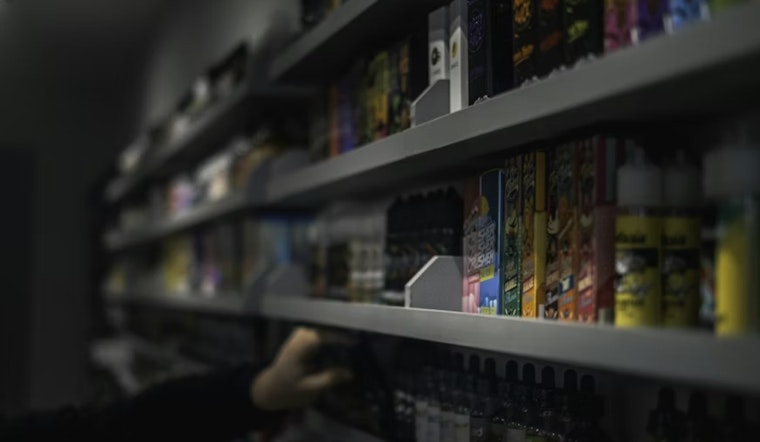
Denver’s long-debated crackdown on flavored tobacco is no longer theoretical. As of Jan. 1, 2026, the city is actively enforcing its ban on flavored tobacco and nicotine products, and retailers are already dealing with fines, inspections, and some serious sticker shock on their sales reports.
The ban applies to menthol cigarettes, flavored vapes, and other flavored tobacco items sold in stores. It kicked in after voters signed off on keeping the restriction in place in a high-profile referendum last fall. City officials say the enforcement push will mix education with both undercover and public-facing compliance checks meant to keep those products away from kids.
How enforcement will work
Under the city’s compliance program, field teams are set to make three to four undercover buy attempts at every licensed retail tobacco shop each year, according to the Denver Department of Public Health & Environment.
The department’s updated penalty grid, published by the Denver Department of Public Health & Environment, starts fines at $1,000 for a first violation and ramps them up to $5,000. A fourth violation can trigger a one-year suspension of a retailer’s tobacco license. Officials say they will keep offering outreach and virtual walkthroughs to help stores comply, but the stiffer penalties for flavored products are officially in effect as of Jan. 1.
Retailers say the ban is already biting
Some shop owners say the impact was immediate. Flavored products had been a big draw, and with those off the shelves, revenue is taking a hit.
"My overall business revenue is down by 50%," Myxed Up Creations owner Phil Guerin told The Denver Gazette. In the same report, the city’s tobacco program manager defended jumping straight into active enforcement after the referendum and encouraged residents to call 3-1-1 if they suspect a store is still selling banned flavored items.
Why voters kept the ban
When the question landed on the ballot on Nov. 4, 2025, Denver voters did not hesitate. They upheld the flavored tobacco measure by a wide margin, roughly 70% in early counts, according to Denverite.
During the run-up to the vote, city documents circulated in the debate put Colorado’s healthcare and productivity costs linked to flavored tobacco use in the billions. Both supporters and opponents seized on those numbers, which were compiled and summarized by Colorado Politics.
What retailers and residents should know
Anyone who thinks a store is still selling banned flavored products is being asked to report it through Denver’s 3-1-1 system.
Retailers who are unsure whether they are in compliance or need help adjusting inventory can email the city’s tobacco program at [email protected] to request guidance or a virtual walkthrough. Given the new fine levels and the pace of undercover checks, that might be one email worth sending sooner rather than later.



