

























































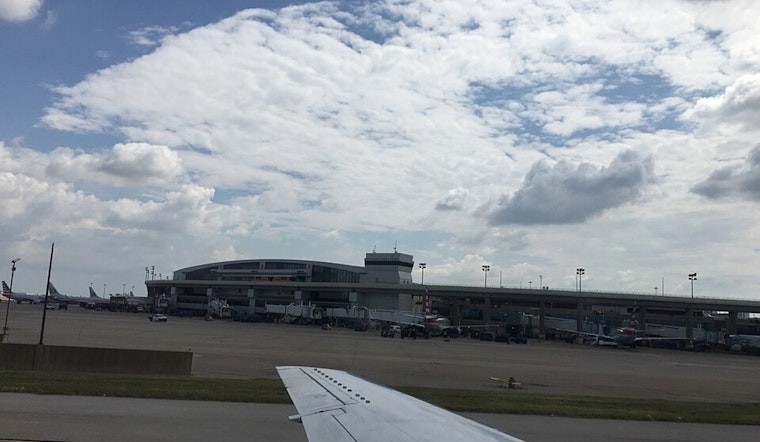
Dallas/Fort Worth International Airport is trying to pull off a big feat on a tight clock: cutting its own carbon footprint down to net zero by 2030, and doing it while running one of the world’s busiest hubs. Airport leaders told the board this week that years of buying renewable electricity have already slashed emissions, but the next wave of cuts has to come from old‑school problem areas like facility heating, ground vehicles and leaking refrigerants. The roadmap leans on major capital projects and closer coordination with airlines and suppliers to shrink the emissions the airport directly controls.
At a board meeting last Thursday, Robert Horton, DFW’s vice president of environmental affairs and sustainability, laid out that roadmap, walking directors through what has been done and what still has to happen to hit “net zero.” Horton said the primary remaining targets are replacing natural‑gas heating, decarbonizing the airport’s vehicle fleet and reducing refrigerant loss, and he outlined procurement moves and equipment upgrades the team expects to pursue. The session also featured public comment on airline contracts and other board business, according to a recap from the Fort Worth Report.
DFW credits much of its emissions progress to a long‑running pivot to renewable electricity. The airport’s FY24 Environmental, Social and Governance materials show roughly an 80% drop in annual CO2 from a 2010 baseline, with industry coverage pegging the reduction at 81%. Aviation Pros summarized those ESG figures, which DFW says reflect years of energy and fleet initiatives. The numbers are a big part of why airport leaders now talk about net zero as a realistic destination rather than a buzzword.
Electric central plant will do the heavy lifting
The centerpiece of DFW’s next phase is a new electric Central Utility Plant, or eCUP, which is slated to replace aging natural‑gas systems and supply sustainably sourced heating and cooling across the terminals. The airport says the eCUP will run primarily on electricity purchased from 100% renewable sources and is expected to deliver a major cut in greenhouse gas emissions while also improving local air quality and water use. DFW Airport describes the plant as a cornerstone of the 2030 net‑zero push.
Board approvals and construction updates
None of this comes cheap, and the board signed off on a slate of big‑ticket moves tied to both growth and the net‑zero plan. Directors approved committee expenditures totaling $635.9 million and agreed to reimbursements to American Airlines, according to the meeting recap. Terminal A’s new ramp opened in December 2025, and work on a Terminal C ramp is underway, with airport officials eyeing completion of critical pieces before the 2026 FIFA World Cup. Meeting notes and public comments on these items are laid out in coverage from the Fort Worth Report.
Leadership and the road ahead
Guiding the day‑to‑day push is Jerome Woodard, listed on the airport’s leadership page as executive vice president and chief operating officer. That role puts him at the center of operations as sustainability projects roll from blueprint to construction site. DFW Airport and Charlotte Douglas’ public materials note that Woodard previously served in a top operations role at Charlotte Douglas International Airport, giving him big‑hub experience that translates directly to DFW’s sprawling, multi‑terminal setup.
What success looks like
DFW points to earlier milestones to argue that this is evolution rather than a sudden reinvention. The airport was the first in North America to be recognized as carbon‑neutral in 2016, a distinction officials and industry groups have cited for years as proof of a long‑running sustainability program. The Airports Council International press office highlighted that 2016 carbon‑neutral certification when it was first announced, as noted by ACI‑NA. Getting from carbon‑neutral operations to full net zero by 2030, however, will still require airport infrastructure changes to be matched by airlines, suppliers and continuing capital investment.





