

























































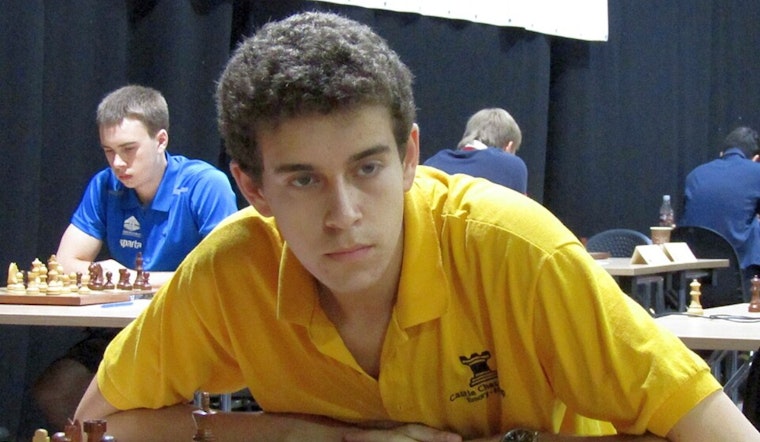
Toxicology tests have answered the grim question that has hung over the chess world for months. Daniel Naroditsky, the Bay Area-born grandmaster and beloved online coach who died in October, had a mix of stimulants and kratom compounds in his system, and the medical examiner has ruled his death an accident.
Naroditsky, 29, was found unresponsive at his home in Charlotte on Oct. 19, 2025, and was pronounced dead at the scene. The ruling brings official clarity to a community that has spent months speculating, grieving, and refreshing news feeds for something more concrete than rumor.
Medical Examiner: Accidental Poisoning After Drug Cocktail
The North Carolina Office of the Chief Medical Examiner confirmed to PEOPLE that Naroditsky's toxicology report detected methamphetamine, amphetamine, and the kratom-related alkaloids mitragynine and 7-hydroxymitragynine. The official cause of death was listed as "accidental poisoning after ingesting a drug cocktail."
According to police incident records, emergency responders were called to a private residence in the southern Charlotte suburbs on Oct. 19, where they found an unresponsive man. The medical examiner finalized the accidental-poisoning ruling after laboratory testing of collected samples.
How That Chemical Mix Can Hit the Heart and Brain
Mitragynine and 7-hydroxymitragynine, the primary psychoactive alkaloids in kratom, have been linked in clinical reviews to tachycardia and hypertension and, in case reports, to cardiac arrhythmia. Those risks climb when kratom is used alongside other substances rather than on its own.
Methamphetamine and related stimulants, meanwhile, drive intense sympathetic nervous system activation that can trigger arrhythmias, reduced blood flow to the heart and fatal overdose. Medical literature cautions that polysubstance exposures, especially high-potency stimulants combined with concentrated kratom products, significantly increase the chance of a lethal cardiac event, according to StatPearls.
Bay Area Roots and a Wide Teaching Reach
Naroditsky grew up in San Mateo County, attended Crystal Springs Uplands School, and later graduated from Stanford University, where classmates remembered both his razor-sharp play and his quiet, off-camera kindness.
As local coverage of his career has noted, he rose from child prodigy to grandmaster and became one of the most popular chess educators on YouTube and Twitch, reaching hundreds of thousands of viewers with calm, detailed breakdowns of the game.
He also served as grandmaster-in-residence at the Charlotte Chess Center, where he helped run outreach programs across North Carolina, drawing in everyone from young beginners to seasoned club regulars.
Cheating Allegations and an Ethics Referral
In the year before his death, former world champion Vladimir Kramnik publicly accused Naroditsky of cheating in online play. Naroditsky denied the allegations, and many peers in the chess community called them unsubstantiated.
The International Chess Federation later announced that it had filed a complaint with its Ethics & Disciplinary Commission for independent review, naming Kramnik as the respondent. FIDE described the move as a procedural step, while reporting in The Guardian detailed how the dispute spiraled online and how some players began calling for accountability over public harassment.
Closure, and What the Community Is Asking
Friends who had grown worried about Naroditsky's recent streams said they went to check on him when he stopped responding to messages, accounts that helped trigger the initial emergency response and early reporting on his death.
Local outlet WCCB Charlotte confirms the medical examiner's ruling of accidental poisoning. His family has asked for privacy, while friends, students, and fellow players continue to mourn and to push for a less toxic public discourse and stronger mental health support systems for creators and competitors living under relentless scrutiny.





