

























































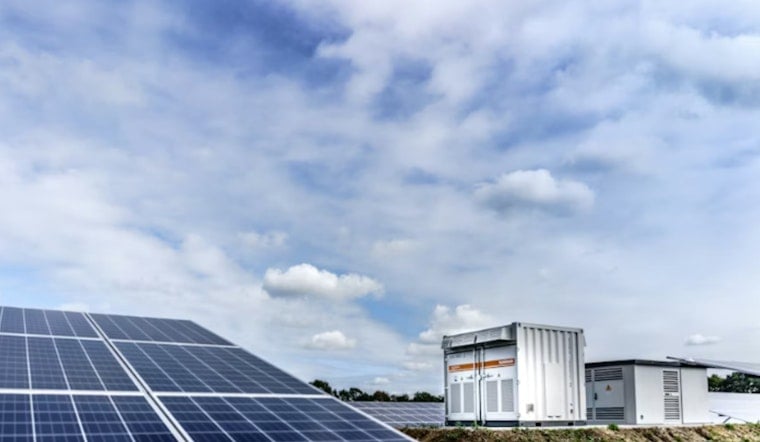
Peak Energy, a U.S. battery startup, is circling Sacramento as a possible home for a new manufacturing line that would crank out grid-scale battery systems, a move that could mean short-term construction gigs and longer-term factory jobs for the region. The company has shifted from early pilot deployments to planning domestic cell production and is reportedly weighing facilities in both the Bay Area and Sacramento. Local economic development watchers say the project could qualify for state incentives that significantly cut the cost of building a factory.
What’s on the table
According to the Sacramento Business Journal, Peak Energy is in the running for up to $10.5 million in California tax credits if it moves ahead with a roughly $71 million investment to build battery manufacturing sites in the Bay Area and Sacramento. The outlet also reports a July 24 deadline tied to the company’s application for that incentive, so the clock is already ticking.
Peak Energy’s pitch
In its own materials, Peak Energy has framed onshoring cell production as central to its growth strategy. In a press release via PR Newswire, the company said it is "on track to fulfill its commitment" to develop a U.S. cell factory and noted that it has begun piloting passively cooled sodium-ion systems.
Why sodium-ion matters
Sodium-ion chemistry can cut system costs and reduce the need for active cooling hardware, which in turn trims operating expenses and eases some safety concerns around thermal events. Coverage of Peak’s first grid-scale pilot has zeroed in on the passive-cooling design as a key reason a domestic manufacturing line could pencil out for U.S. customers, according to Canary Media.
What it would mean for Sacramento
Sacramento is already starting to build out a battery supply-chain footprint. Hoodline reported that LiCAP bought a Power Inn warehouse to retrofit for electrode manufacturing, a sign that local industrial space is being retooled for cleantech production. If Peak follows through on its plans, the company’s commitments could deepen that emerging cluster and drive up demand for industrial real estate and skilled factory workers.
The incentive picture and timeline
The California Competes Tax Credit, run through the Governor’s Office of Business and Economic Development, is designed to lure and keep companies that bring jobs and capital investment to the state. The Franchise Tax Board and GO-Biz jointly publish application windows along with criteria that weigh projected jobs, wages and local economic impact when awarding credits, according to state guidance.
Next steps
Industry watchers have pointed to Peak’s recent deployments and partnerships as groundwork for a bigger U.S. manufacturing push, and outlets have tracked its supply deals and pilots closely, including coverage from Energy-Storage.News. If Peak submits a formal application and secures incentives like those described by the Sacramento Business Journal, the awards would represent one piece of the larger financing puzzle as the company scales domestic production.





