

























































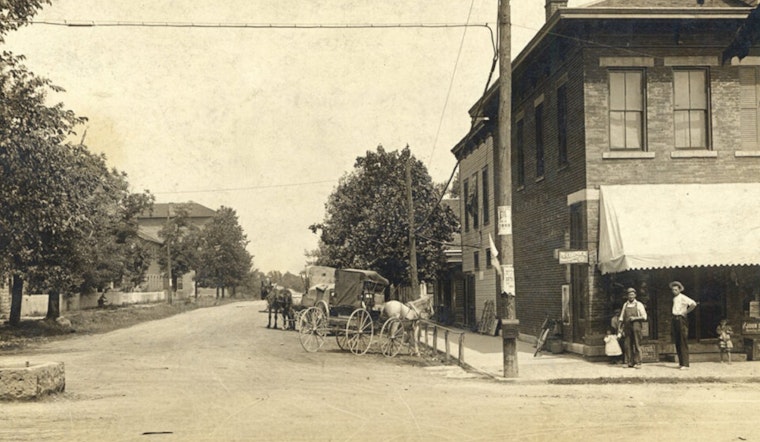
As the United States gears up to celebrate its Semiquincentennial on July 4, Dublin, Ohio is stepping up with its own tribute to its beginnings and unique contributions to the nation's tapestry, according to a recent post on the City of Dublin's official website. The city plans to showcase its history and identity throughout the year, starting with a focus on "Dublin's Firsts & Originals."
The origins of Dublin trace back to various Native American tribes such as the Adena, Hopewell, Delaware, Shawnee, and Wyandot, yet it wasn't until John Sells and his Pennsylvania-based family purchased land from Revolutionary War veteran Lt. James Holt that the town's European-derived story began, eventually, the surveyor John Shields, honored with naming the town, dubbed it after his hometown in Ireland, marking the journey from Sells Town to the Dublin of today, a city now splattered with the names of early settlers like Karrer, Mitchell, Davis, Coffman, Pinney, and Tuller found on everything from roads to school buildings. The City with Irish Attitude has evolved from a farming hub, spotlighted by the entertainment glow of the Sells Brothers Circus before the turn of the 20th century, to a flourishing municipality, dotted with over 4,300 businesses including renowned entities such as The Wendy's Company, Cardinal Health, Stanley Steemer, and the Barbasol-maker Perio Inc.
Dublin's metamorphosis from a quiet hamlet to a bustling city is often attributed to a trio of pivotal developments: Ashland Chemical's headquarters establishment, a strategically placed exit from Interstate 270, and the iconic Muirfield Village Golf Club realization by golf legend Jack Nicklaus. The forward-thinking of the village council, initiating the city's comprehensive land use plan in 1967, laid the groundwork for swift and orderly growth which saw Dublin's status elevated to city proportions by 1987 with a population that soared past 11,000 residents.
While developing its infrastructure and economy, Dublin has remained committed to preserving nature's splendor, enforcing parkland dedication as part of development regulations, and today boasts over 1,300 acres of parks and 154 miles of shared-use paths that encourage myriad recreational activities, including, community pools, sports courts, and even a kayak launch. Diverse community events from Independence Day parades to the internationally acclaimed Dublin Irish Festival are staples that continue to unite the city's residents, the new vision of bonding the past with the future finds itself manifesting in the 30-acre Bridge Park development, where the Dublin Link pedestrian bridge, a single-tower S-shaped engineering marvel and the longest of its kind in the world, elegantly spans the Scioto River.
Dublin also takes pride in a rock-solid economic foundation, being the first and only city to have been awarded AAA bond ratings from all four major agencies: Moody's, Fitch, S&P, and KBRA. This financial stability empowers the city to chase after its ambitious goals of connectivity, resilience, and sustainability. Echoing through the years, significant milestones range from its official establishment in 1803 to the trio of major sparks in the 1960s and '70s, all the way to the construction of landmarks like the community recreation center and the recent downtown revitalization projects, testament to Dublin's enduring place in the larger American saga.





