

























































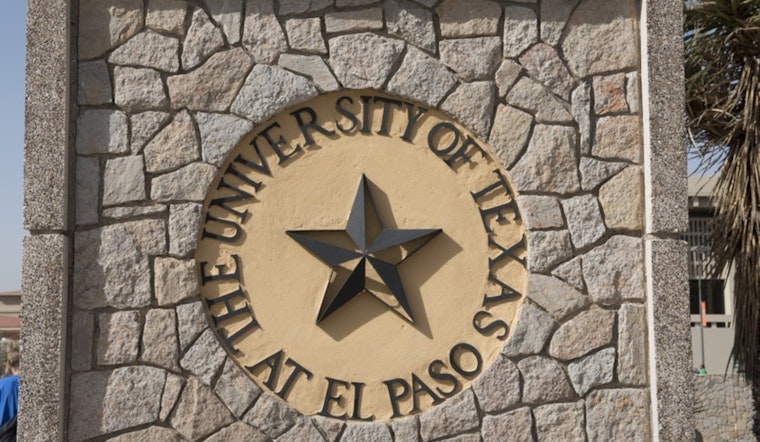
The City of El Paso has joined forces with The University of Texas at El Paso (UTEP) and the El Paso Independent School District (EPISD) to boldly share the early outcomes of their educational initiative, El Paso Computes. This collaboration, backed by a substantial $3 million investment from the city, is geared toward bolstering computer science, artificial intelligence (AI), and computational thinking education throughout K–12 schools, particularly in communities that are typically underserved.
In a recent report, Mayor Renard U. Johnson was quoted saying, “El Paso Computes is an investment in our young people and in El Paso’s economic future,” as per UTEP Newsfeed, highlighting the program's focus on equipping teachers with the necessary skills to introduce coding, AI, and computational thinking in classrooms city-wide. Students are hence prepared to better integrate into growing economic sectors locally. UTEP President Heather Wilson also highlighted the initiative's impact on higher education, "Computer Science is one of our fastest growing majors at UTEP," which she attributes to the early engagement with K-12 schools that the program promotes. Dr. Brian Lusk from EPISD echoed this sentiment, emphasizing the program's alignment with the district's commitment to academic excellence.
With ambitions to prepare 750 teachers and reach more than 20,000 K–12 students over three years, El Paso Computes has already made notable strides. Over 287 teachers have engaged in professional development and coursework, with 64 completing formal requirements and more than 10 certifying in 8–12 Computer Science. Educators now have access to workshops that cover vital topics such as computational thinking, AI literacy, and responsible classroom use of AI. Moreover, UTEP has launched a required course for future educators, TED 4550: Computational Thinking for Educators, to ensure upcoming teachers are well-versed in foundational computer science concepts.
On the student front, El Paso Computes has facilitated cybersecurity and AI camps, serving over 190 middle and high school students in 2025. These camps provide practical exposure to technologies that align with high-demand career paths. To further cement sustainable growth, 37 faculty members from UTEP and EPCC have completed specialized training to bolster instruction for future educators. An independent evaluation has found statistically significant gains in teachers' knowledge and confidence relating to computer science and AI, also reporting a heightened comfort in using AI tools to support instruction and enhance student learning. While currently piloted in EPISD, the program looks to expand steadily across the region.





