

























































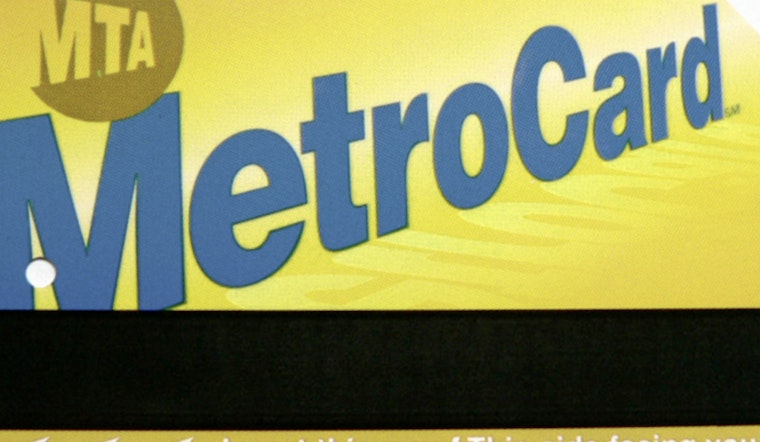
The longstanding fixture of New York's transit fare system, the MetroCard, has ceased to exist after a notable tenure spanning over three decades. According to Gothamist, the final sale of MetroCards took place on New Year's Day, marking the end of an era for a payment method that had become almost synonymous with the city's fast-paced lifestyle.
Originating from a San Diego-based company called Cubic in 1991, the MetroCard replaced the traditional subway tokens after first being tested in 1993 on the NYC subways. As PIX11 recalls, the inception of the MetroCard system can be traced back to ideas floated by Carol Bellamy in the 1970s and later propelled forward by then-MTA Chairman Richard Ravitch in the 1980s. It wasn't however until 1994 that the MetroCard truly began its reign over the city's transit payment methods.
A hallmark of New York's urban fabric, the card required a unique swiping motion that many regarded as a test of one's city savvy. Hillary Clinton famously struggled with it during the 2016 presidential campaign, needing five attempts to pass through a turnstile. The MetroCard's end ultimately brings full transition to the MTA's digital tap-to-pay OMNY system, a contactless alternative that does not offer 30-day unlimited passes like its predecessor. Instead, OMNY sports a fare cap feature where, as reported by PIX11, once a rider spends $34 with the same device or card within seven days, they ride free for the remainder of the week.
The MetroCard not only facilitated easier transfers and travel but also introduced various discounts and deals, rendering the transit system more equitable. Benefits like the reduced-fare program for seniors and students were particularly noteworthy. Commemorating cultural milestones, the card even became a collector's item, with some special editions fetching high resale values online. As Gothamist encapsulated, the MetroCard "transformed the system" and was instrumental in leading to surges in transit ridership following the introduction of unlimited passes.
The MTA is marking the transition by using pop culture references in subway announcements, including messages voiced by characters from Sesame Street indicating the phaseout of the MetroCard. The agency is moving forward with newer payment systems as the MetroCard is retired from use.



