

























































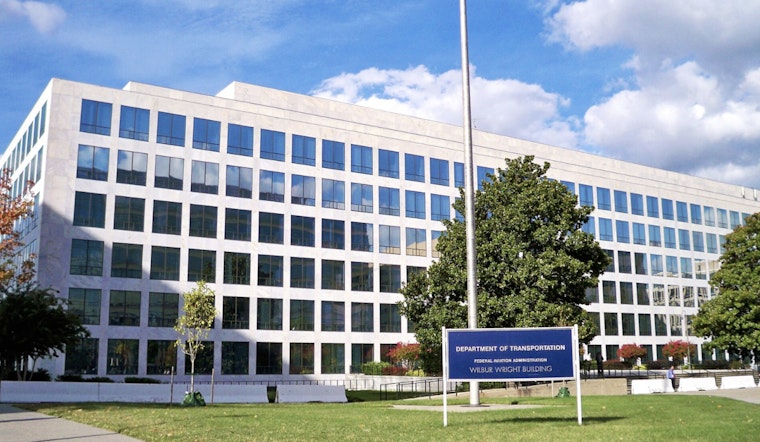
U.S. Transportation Secretary Sean P. Duffy and Federal Aviation Administration (FAA) Administrator Bryan Bedford have announced a major restructuring of the FAA. Described as the largest in the agency’s history, the reorganization aims to streamline operations and establish a new safety oversight office, as outlined in the 2024 FAA Reauthorization.
The FAA’s new safety oversight office will centralize safety management, replacing the previous structure in which individual offices managed safety responsibilities. Additionally, the agency will establish an Airspace Modernization office to facilitate the rollout of an updated air traffic control system, which Secretary Duffy described as moving at “Trump Speed,” according to the U.S. Department of Transportation.
The restructuring also establishes the Advanced Aviation Technologies office, responsible for integrating drones, eVTOLs, and other advanced air mobility vehicles into the national airspace. The reorganization will place more leadership roles in permanent positions and consolidate finance, IT, and human resources under a single administrator. The changes are being implemented without any reduction in the FAA workforce.
Secretary Duffy stated that the reorganization is intended to streamline operations, support innovation, and implement a new air traffic control system while maintaining safety, according to Transportation.gov. Administrator Bedford noted that having the right personnel in place to support both innovation and safety is essential for the FAA’s progress.
The FAA’s restructuring is intended to support the implementation of Flight Plan 2026, a strategy focused on people, safety, and modernization of the National Airspace System (NAS). The plan emphasizes enhancing safety, updating the NAS, and investing in the agency’s workforce to maintain the FAA’s global standards for aviation safety and efficiency. Offices such as the Policy and Legal Office, Air Traffic Organization, and the Office of Commercial Space Transportation will continue operating under the revised structure, allowing for more coordinated and strategic management.





