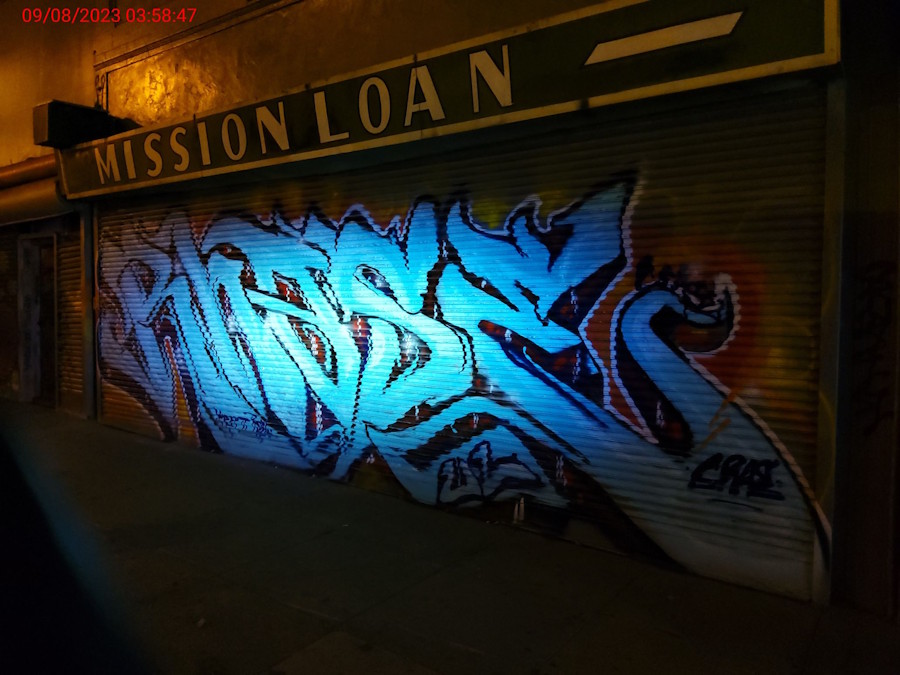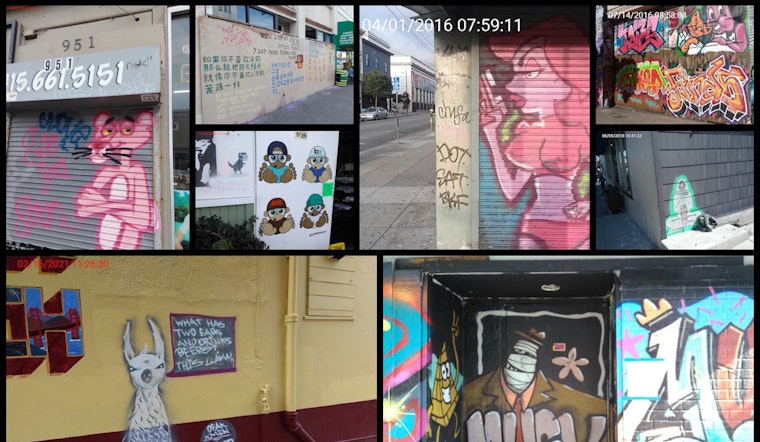
North Beach data wizard Riley Walz has struck again. The 23-year-old tech prankster who brought you real-time parking cop tracking and orchestrated the first Waymo robotaxi traffic jam has now scraped 100,000 graffiti violation photos from the SFPD's public database—and transformed them into an unexpected art gallery.
"San francisco cops take photos of graffiti violations. i scraped 100,000 citations from their website. art, but through the eyes of the law," Walz posted on X Sunday morning, alongside a link to his latest creation at walzr.com/sf-graffiti. The post has already racked up over 102,000 views as of Sunday afternoon.
san francisco cops take photos of graffiti violations. i scraped 100,000 citations from their website. art, but through the eyes of the law https://t.co/lc8aZN02QQ pic.twitter.com/eWmmy3qBlm
— Riley Walz (@rtwlz) January 26, 2026
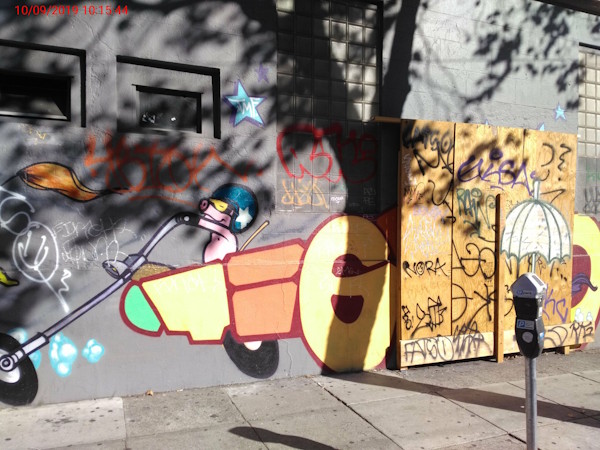
The images themselves tell a fascinating story about San Francisco's evolving street art landscape. One photo from October 2019 captures a gray wall adorned with a colorful character piece—a pink figure with a blue mohawk leaning on a cane, flanked by bursts of orange and yellow. Nearby, yellow wooden panels display layers of tags and throw-ups, with one featuring a simple white birdcage outline. Another shot from May 2017 shows a close-up of a turquoise surface with a playful cartoon face, its bulbous eyes and zigzag mouth rendered in black against the bright background.
Street Art Through a Law Enforcement Lens
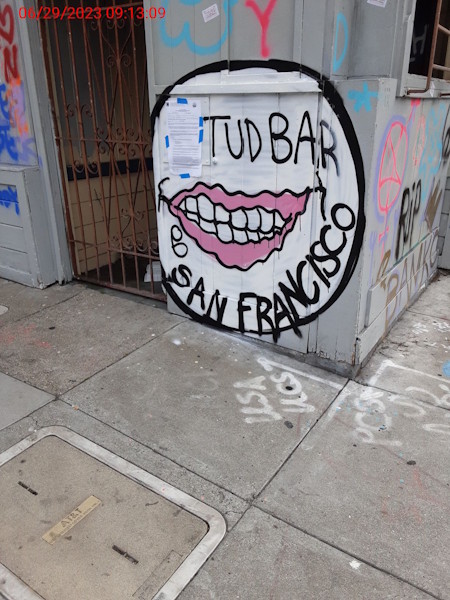
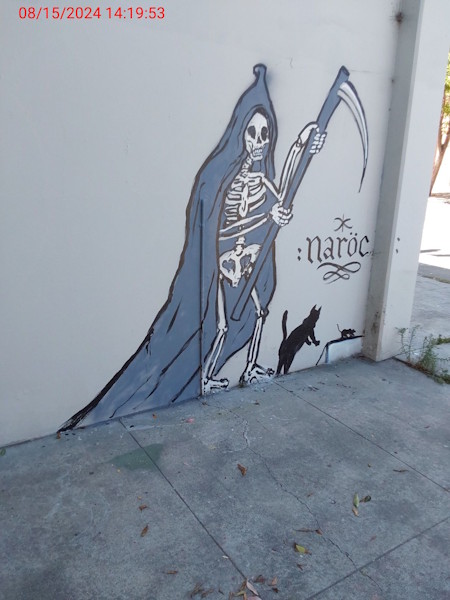
What makes Walz's project particularly compelling is the perspective it offers. These aren't Instagram-worthy shots from street art tours—they're the documentary evidence that city inspectors collect when issuing violations. The timestamps stretch back years, creating an accidental archive of San Francisco's graffiti culture as seen through the most unsympathetic possible lens: municipal code enforcement.
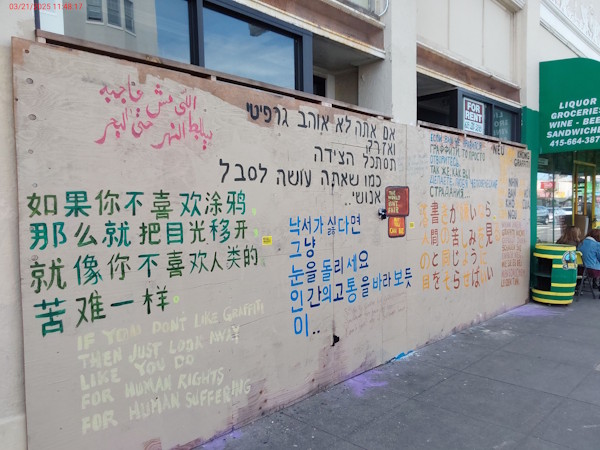
Some images capture elaborate pieces, like a March 2025 photo showing a plywood construction barrier covered in text written in multiple languages—Chinese, Korean, Arabic script, and Japanese characters—alongside messages in English like "If you don't like graffiti, then just look away." The multilingual commentary sits alongside painted phrases about human rights and suffering, according to San Francisco Chronicle.
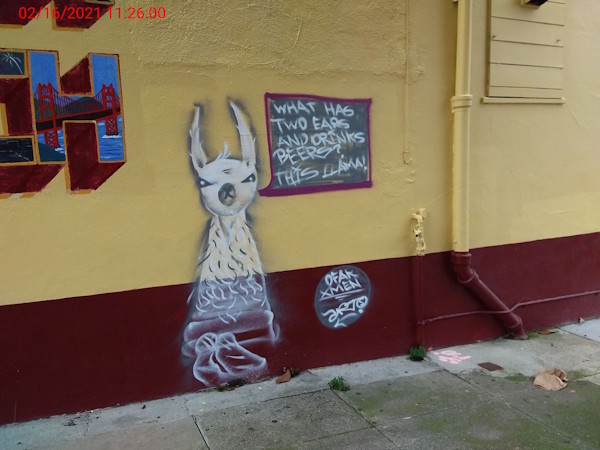
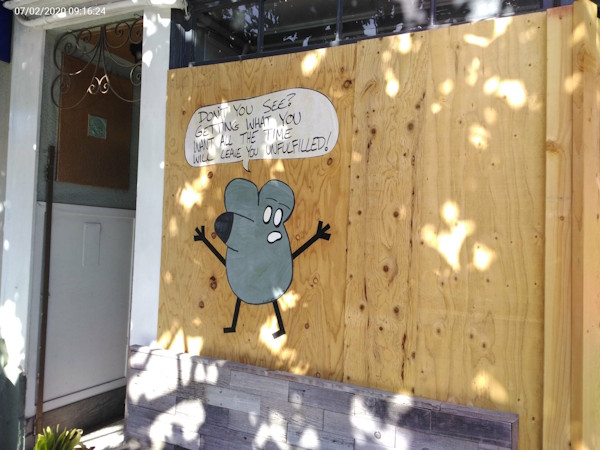
Other photos document simpler tags: a January 2016 shot of a turquoise building with bubble-letter graffiti on a metal rolling door, or a January 2019 fence covered in competing throw-ups rendered in blue, white, and yellow. A particularly striking February 2021 image shows a blue mouse character painted on plywood saying "FINE, I MOVE. ALWAYS 2 STEPS IF I NEED"—a sardonic commentary on displacement that became evidence in a municipal violation case.
The Latest in a Series of Provocations
For Walz, the graffiti project represents the latest chapter in an ongoing exploration of urban data systems. In September, he launched "Find My Parking Cops," a website that tracked San Francisco's parking enforcement officers in real-time by reverse-engineering the city's predictable parking ticket numbering system. The San Francisco Municipal Transportation Agency killed the data feed within four hours, cutting off the public information Walz had been scraping.
Then in October, he revealed that he and approximately 50 accomplices had orchestrated what he called the "world's first Waymo DDOS" by simultaneously ordering autonomous vehicles to Telegraph Hill's longest dead-end street at dusk in July. The stunt temporarily overwhelmed the robotaxi service's distribution system.
His other projects include "Bop Spotter," a solar-powered phone mounted on a Mission District pole that continuously Shazams street music, and "IMG_0001," which surfaces millions of forgotten early-iPhone videos uploaded to YouTube with default camera filenames, according to Wikipedia.
A $20 Million Problem
The graffiti visualization arrives at a moment when San Francisco continues to grapple with the costs and complexities of street art versus vandalism. The city spends more than $20 million annually on graffiti cleanup, according to San Francisco Public Works. Property owners face fines if they don't remove graffiti within 30 days, with cleanup costs averaging around $3,370 per incident.
The enforcement landscape has been uneven. During the pandemic, the city paused violation notices for months before resuming them, only to pause again due to economic hardship concerns raised by Supervisor Hillary Ronen. More recently, the city launched a $4 million pilot program to help small business owners with graffiti removal, acknowledging the burden that constant repainting places on struggling establishments.
Meanwhile, SFPD maintains a Graffiti Abatement Unit that coordinates with the District Attorney's office to prosecute prolific taggers. In October 2024, Chief Bill Scott announced the arrests of three separate vandalism suspects caught tagging throughout the city, including one prolific tagger known as "URBAN."
Art or Vandalism? Both, Apparently
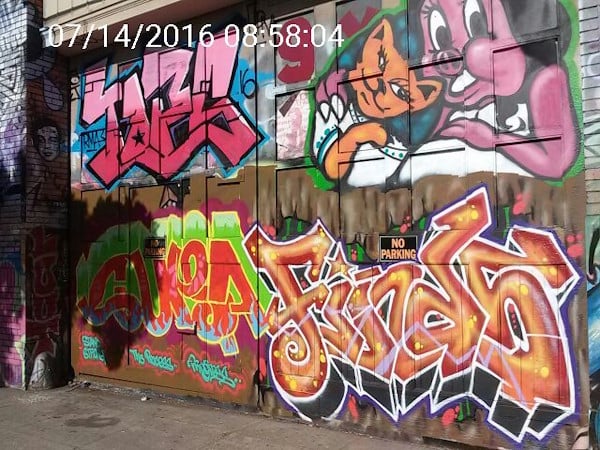
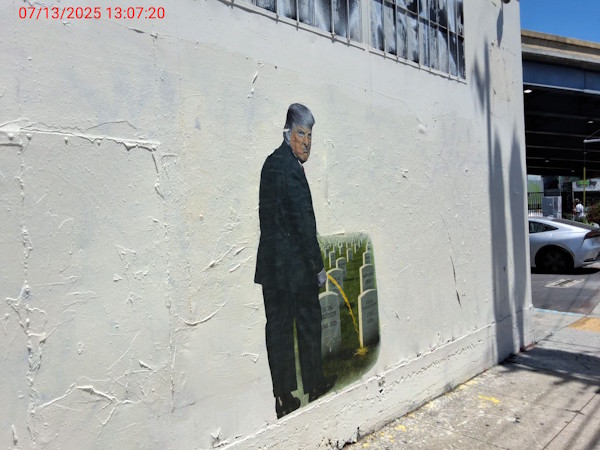
What's fascinating about Walz's collection is how it inadvertently captures the tension between street art as creative expression and graffiti as property crime. A September 2018 photo shows a stenciled figure holding a violin against a red wall—elegant and clearly intentional. An October 2023 image documents elaborate wildstyle lettering on an orange restaurant gate, the kind of piece that takes genuine skill to execute. Yet both exist in this database as evidence of municipal code violations.
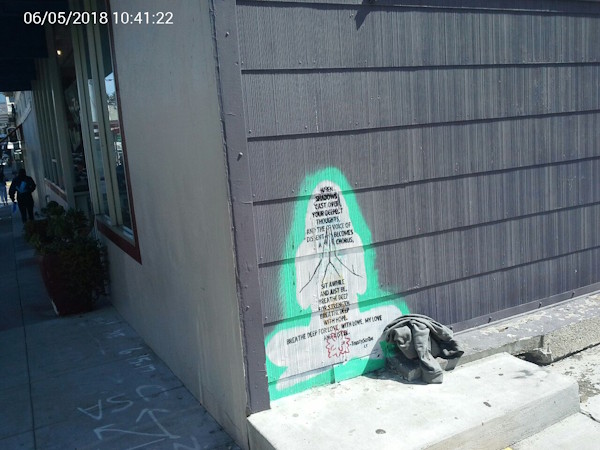
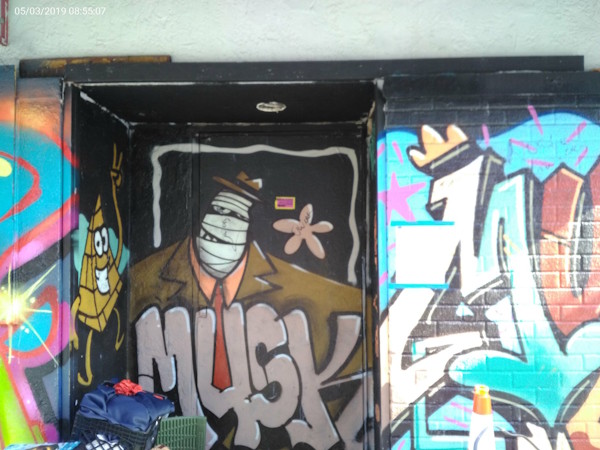
The project also captures the ephemeral nature of street art. A May 2019 utility box displays a character wrapped in bandages with the text "MISU" below—a piece that's almost certainly long gone, painted over as part of the city's rapid-removal protocols. These enforcement photos become the only surviving documentation of countless pieces that existed briefly before being buffed.
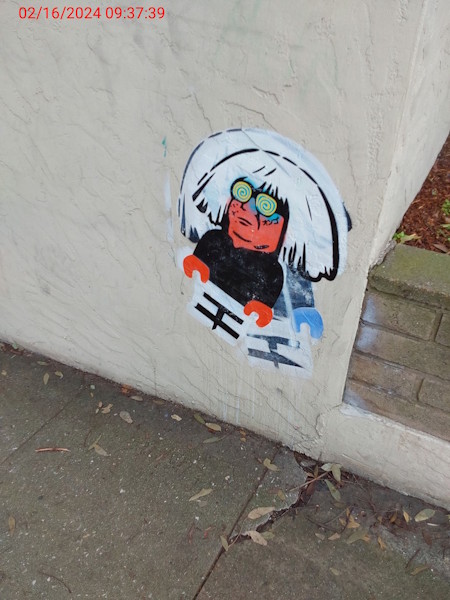
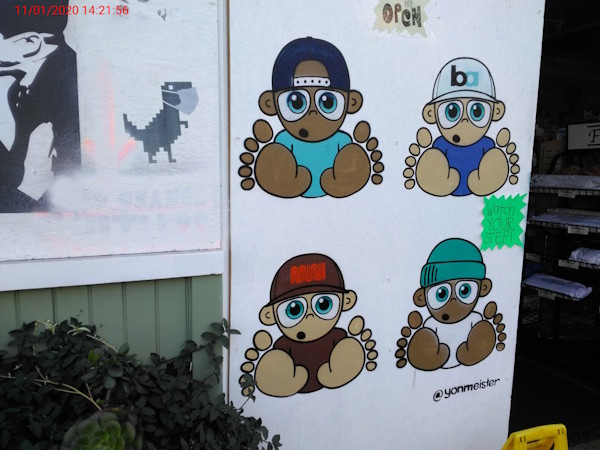
Some images show the street art community's self-policing mechanisms. A January 2019 photo features a cartoonish apple character on a green wall, clearly different in style and intent from the throw-up tags that surround it. The Mission District has long had informal hierarchies about what's acceptable to paint over and what deserves protection—though the city's enforcement apparatus makes no such distinctions.
The Data Artist's Philosophy
"I'm not 'pro' parking cop. I'm not 'anti' parking cop," Walz told Wired about his parking enforcement tracker last year. "It's just data I was able to unearth, and I thought it would be cool to visualize it." The same philosophy seems to apply here: he's presenting the city's graffiti documentation without explicit commentary, allowing viewers to draw their own conclusions about what constitutes art versus vandalism.
His mother Stacey Walz has expressed both pride and concern about her son's increasingly high-profile projects. "I'm really scared. I know he's just on the brink," she said, according to reporting on the Waymo incident. "But of all the people in the whole world, he inspires me."
Walz, who co-founded data company Numerous.ai, has defended his work as experiments driven by curiosity rather than malice. "You have to follow through on your ideas because if you don't, you might stop having them," he's said, describing creativity as a muscle requiring constant exercise.
An Accidental Archive
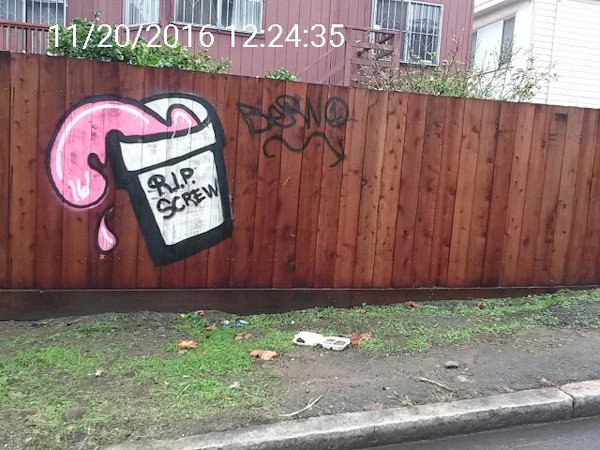
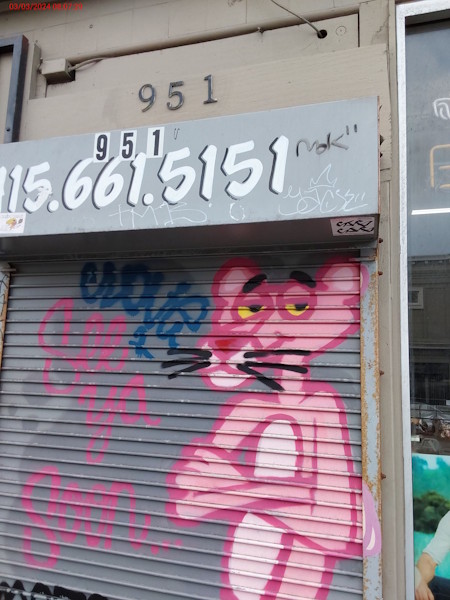
Whether intentionally or not, Walz has created a significant historical record. The photos span from at least 2016 through 2025, documenting nearly a decade of San Francisco's street art evolution. There's a 2016 image of a wooden fence covered in competing pieces—blue and orange abstractions fighting for space. A 2021 photo captures elaborate red and black figures on a garage door, surrounded by drips and additional tags. An October 2023 shot shows a "LETGO" sticker mocking LEGO's logo, stuck to a wall alongside other ephemera.
The collection includes everything from simple one-word tags to complex murals. An April 2019 image shows a utility structure featuring a bandaged character and precise lettering. A November 2024 image captures someone's attempt at wildstyle on a brick building, the letters so elaborate they're nearly illegible. Each photo includes a timestamp, creating a chronological map of where and when different styles appeared across the city.
Unlike his parking cop tracker, which SFMTA shut down within hours, the graffiti visualization appears to have avoided immediate government intervention—perhaps because it's drawing from historical citation data rather than real-time enforcement information. The photos were already public; Walz simply aggregated them and presented them in a new context.
The Broader Context
San Francisco's approach to graffiti has always been complicated. The city simultaneously celebrates the Mission District's mural tradition while aggressively prosecuting unauthorized tagging. The StreetsmARTS program connects artists with property owners to create sanctioned murals that deter vandalism, while the Graffiti Abatement Unit works to identify and prosecute prolific taggers.
In December 2024, ABC7 reported that SFPD arrested a woman accused of vandalizing multiple Mission District businesses, including a beloved mural by late artist Mario Cid Gonzalez. Business owners had distributed the woman's image hoping someone would identify her, ultimately leading to her arrest on felony and misdemeanor charges.
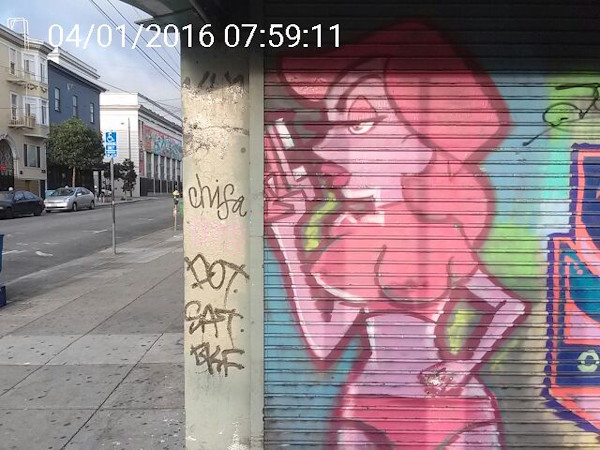
The tension between artistic expression and property rights remains unresolved. Some of the pieces in Walz's collection are clearly tags—quick hits with a spray can, purely about getting up and being seen. Others show genuine artistic ambition, with careful color choices, character work, or political messaging. The enforcement photos treat them all the same: violations to be documented and removed.
For now, Walz's graffiti gallery sits online as a curious monument to San Francisco's ongoing battle with unauthorized art. Each photo tells two stories simultaneously—one about the artist who created the piece, another about the city inspector who documented it as evidence of a crime. It's street art through the most bureaucratic possible lens, which somehow makes it all the more interesting.
Walz hasn't indicated whether this will be his final data project or just another experiment in his growing portfolio of urban systems explorations. Given his track record, San Franciscans should probably expect more provocative visualizations of public data in the months ahead—assuming city officials don't find a way to shut down his access first.