

























































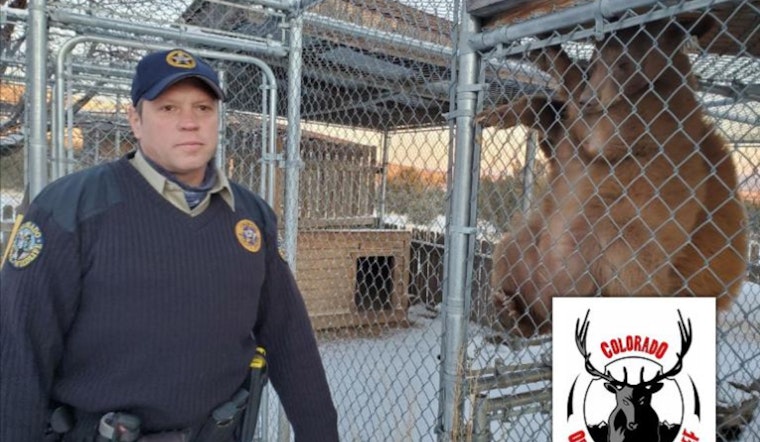
Two active-duty Army noncommissioned officers are out thousands of dollars and staring down serious hunting suspensions after investigators say they illegally killed six mule deer near Colorado Springs, including multiple animals on Fort Carson. According to wildlife officers, the deer were only partially processed at two locations and then left to rot. The case kicked off when a hunter stumbled on a dead buck and called Fort Carson law enforcement, triggering a months-long investigation.
According to the Denver Gazette, Army Sgt. Jacob Curtis Keyser was hit with 30 wildlife charges and fined $19,005, received 180 suspension points, and lost his hunting rifle to forfeiture. Army Staff Sgt. Juan Salcedo faced 15 charges, was fined $8,817, and received 65 suspension points. A third soldier, accused of disposing of illegally taken venison, was fined $900. Colorado Parks and Wildlife classified all of the charges as misdemeanors. The investigation wrapped up on Jan. 5, and CPW is expected to hold a suspension hearing in the coming months to determine hunting and fishing bans, which in extreme situations can be permanent and honored across state lines.
How investigators say it unfolded
Wildlife officials say the case started in November 2024 when a hunter reported finding a mule deer buck that had been partially processed and left behind. Demetria Wright, the district wildlife manager and lead investigator, told the Denver Gazette, "Poaching is a serious, costly crime that harms legitimate sportspersons, wildlife viewers, small business owners and taxpayers." Officers followed up with search warrants, gathered physical evidence, and compared it with social media images tied to the suspects. Investigators ultimately documented five illegal takes on Fort Carson and one on state land.
Penalties and process
Colorado Parks and Wildlife runs its own administrative discipline system for hunting violations, using a point structure that can add up fast. Convictions for illegally taking big game can bring fines, surcharges, and the loss of hunting and fishing privileges. CPW materials outline how to report suspected poaching, how investigations typically unfold, and what options the agency has when it comes to suspending or revoking privileges. For more on reporting and penalties, see Colorado Parks and Wildlife.
Broader enforcement context
Across Colorado in recent years, wildlife officers and prosecutors have gone after several multi-animal poaching cases that ended with steep fines and long-term suspensions. Those outcomes have sent a clear message that organized or repeated violations are on the agency’s radar. In similar multi-animal cases, published fines have reached into the tens of thousands of dollars, and suspensions have been recognized across multiple states, putting long-term hunting access at risk. See reporting by The Colorado Sun and related summaries, such as the Rocky Mountain Elk Foundation’s write-up for comparable incidents.
Legal implications
All of the charges in this Fort Carson case were filed as misdemeanors, which under Colorado law generally carry financial penalties and limited potential jail time. Separately, CPW’s administrative process can strip someone of hunting and fishing privileges regardless of what a criminal court decides, and interstate compacts can extend those consequences beyond Colorado. Local 4th Judicial District prosecutors assisted in the investigation, according to reporting on the case.
Colorado Parks and Wildlife plans to hold a suspension hearing in the coming months. Local officials say the outcome will reinforce the agency’s emphasis on protecting wildlife and safeguarding opportunities for law-abiding hunters. We will be watching for the results of that hearing and any follow-up administrative rulings.





