

























































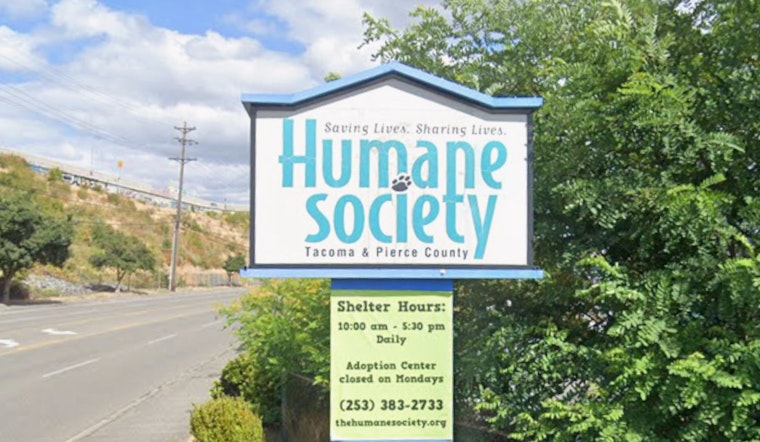
The Humane Society for Tacoma & Pierce County raised its base owner‑surrender fee to $400 last year, and local rescues and animal‑control officers say the higher price, combined with long waits for surrender appointments, is pushing some owners to dump their pets instead. Volunteers describe crates of kittens abandoned on roadsides and frantic calls from strangers asking if trainers will take animals they feel they can no longer afford to surrender. The shelter maintains that most owners pay far less than the base fee and says it has no data directly tying the price change to any increase in abandonment. The Humane Society says the backlog for surrender appointments is currently six to eight weeks.
The fee hike followed new five‑year service contracts that took effect in 2025 and shifted who subsidizes what, a change that local officials and shelter leaders say altered how surrenders are funded, as reported by The News Tribune. Public documents cited by reporters show the city budgeted roughly $6.8 million and the county about $6.7 million for those contracts over their terms. County spokespeople told the paper that subsidies for animal surrenders were reduced during contract renewal in an effort to control rising costs.
Inside the shelter’s rationale, an internal analysis concluded that $400 is roughly the average cost of three days of baseline care, and the Humane Society says most animals stay about nine days in its custody. In a post explaining the change, the organization also notes it offers reduced fees for income‑qualified owners and other criteria, bringing the average surrender fee actually paid down to about $130, with roughly one‑third of surrendering owners paying nothing, as detailed by The Humane Society for Tacoma & Pierce County. The shelter frames the updated fee structure as a way to keep its open‑admissions model afloat while prioritizing animals that have no other path to safety.
Other providers say the on‑the‑ground impact has been swift. Metro Animal Services, the multi‑jurisdiction shelter based in Puyallup that serves Sumner, Puyallup and neighboring cities, posts frequent capacity updates and has warned about full kennels. Local trainers and small rescues report more calls from people trying to offload animals rather than wait weeks for a surrender appointment. Volunteers and advocates describe scattered abandonment cases, from dogs left in vehicles to kittens in crates, which they connect anecdotally to higher costs and long waitlists.
Numbers And Capacity
Data provided to The News Tribune show the Humane Society recorded 8,541 combined owner‑surrendered and stray intakes in 2025, roughly 500 more than in 2024, and the shelter says those totals reflect a return toward pre‑pandemic norms. Tacoma Animal Control’s supervisor told the paper his team is "seeing a huge increase" in abandoned dogs and said stray impounds have climbed year‑over‑year since 2022. Shelter leaders say they are managing capacity without using time‑ or space‑based euthanasia, but the pressure is showing up in long waits and crowded kennels.
How Fees Compare Around The Region
Owner‑surrender fees look very different across nearby shelters. The Auburn Valley Humane Society lists charges between $125 and $185, while the Seattle Animal Shelter takes in pets from Seattle residents at no cost. Those discrepancies largely come down to whether a shelter’s intake program is subsidized through municipal contracts, private donations or a different operating model, and they help determine where overwhelmed owners turn when one door closes.
What Owners And Rescues Are Saying
People working in animal welfare describe a patchwork safety net: small rescues and trainers stepping in, neighbors caring for community cats and volunteers juggling intake lists alongside limited foster space. Some rescuers say they are fielding more requests from owners who cannot wait six to eight weeks for a surrender slot, and advocates point to more animals being left loose in neighborhoods as a worrying trend. The fixes most often floated by local advocates include stronger funding, expanded spay‑neuter access and more robust emergency boarding options.
What The Shelter Says It’s Doing
The Humane Society says it offers income‑based discounts, a pet‑rehoming support process and other diversion tools aimed at helping people keep their pets or find alternatives before surrender, and it urges donors and local governments to help fill gaps in capacity and services, according to the Humane Society's rehoming guidance. The shelter also details criteria for reduced fees and highlights options such as temporary boarding, behavior resources and community partners that are intended to prevent unnecessary surrenders. Leaders say the fee update was designed to make long‑term care sustainable while keeping doors open for animals with no other options.
As the region wrestles with how to fund animal‑care services, veterinarians, rescues and public officials say the central challenge is keeping pets with their people and out of harm’s way, while preserving space for the most at‑risk animals. For now, the county’s animal‑care network is stitching together short‑term fixes on top of longer‑term budget and capacity decisions that will determine how many pets ultimately wind up on the street.





