

























































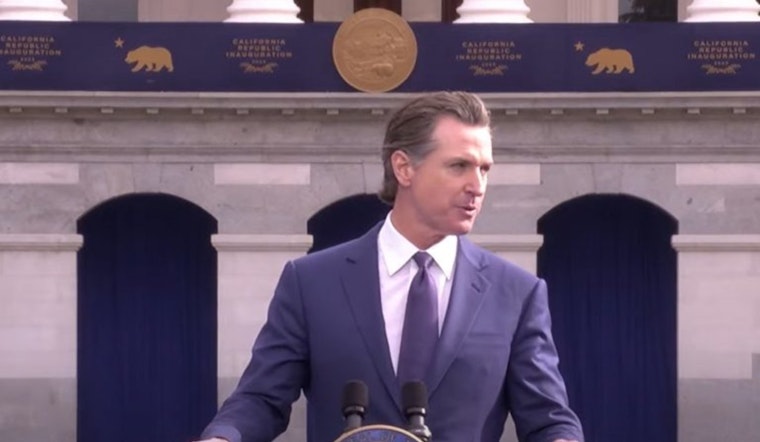
Gov. Gavin Newsom is pushing to reconfigure the governance of California's education system, proposing changes that include more power for the State Superintendent and a melding of policy-making and implementation branches, as revealed in his 2026-27 budget announcement. The governor aims to centralize education oversight and improve accountability and coherence from early childhood education through college—a significant restructuring meant to address recommendations that have been echoing for decades.
The proposal, as detailed on the governor's website, seeks to effectively consolidate the Department of Education under the Executive Branch and enhance the State Superintendent of Public Instruction's role. This strategy is specifically devised to directly address concerns about California's fragmented K-12 system, which often sees different entities with overlapping duties inadvertently working in conflict with one another. This is a concern that's been on the state's radar since the 1920s and one Newsom is now prepared to tackle head-on. As he stated, "California can no longer postpone reforms that have been recommended regularly for a century."
The changes, which can be implemented through statute, align with both historical and current analyses, including a December 2025 report from Policy Analysis for California Education (PACE) that underlines the urgency for reform. According to PACE's Jeannie Myung, governance structures are critical in translating policies into effective school practices, suggesting that the proposal could potentially lead to more consistent guidance and support for schools and districts.
Education leaders and advocates are weighing in on Newsom's proposed governance overhaul. Dr. Edgar Zazueta, Executive Director of the Association of California School Administrators, emphasized the complexity of the current system and the need for governance designed to "better support positive student outcomes," according to a statement on the governor's announcement. Similarly, Ted Lempert, the President of Children Now, expressed support, citing that major reform is essential for improving education for all students, with a focus on those who've been historically underserved.
The push for restructuring comes on the heels of significant investments in education under Newsom's term, including record per-pupil state funding and progress in community schools, literacy initiatives, and universal meal provision. Last year’s implementation of AB 1454 by Assembly Speaker Robert Rivas expanded resources for educators and literacy rates, while new screening for reading challenges aims to further support student literacy. Extended before, after, and summer school programs round out the efforts to complement academic support with care for students outside regular school hours.
In conclusion, if Newsom's proposal passes through the legislative process, California may see a more streamlined and accountable education system in the near term. Ongoing input from educational stakeholders will be key to implementing these significant changes while maintaining focus on the state's commitment to improving student outcomes and supporting educators.




