

























































For the first time since World War II, annual line-of-duty deaths among U.S. law enforcement are on track to fall under 100. Preliminary counts show 97 officers lost in 2025, a dramatic slide from the pandemic-era peaks and a milestone drawing cautious attention from unions, policymakers, and survivors' families. For many, the number lands as both hopeful and heartbreakingly human.
According to the Officer Down Memorial Page, 97 line-of-duty deaths had been recorded in 2025. The National Law Enforcement Officers Memorial Fund notes that the United States has not seen fewer than 100 annual officer fatalities since 1943, and its July mid-year report flagged a steep decline already underway.
Houston Reacts To A Historic Low
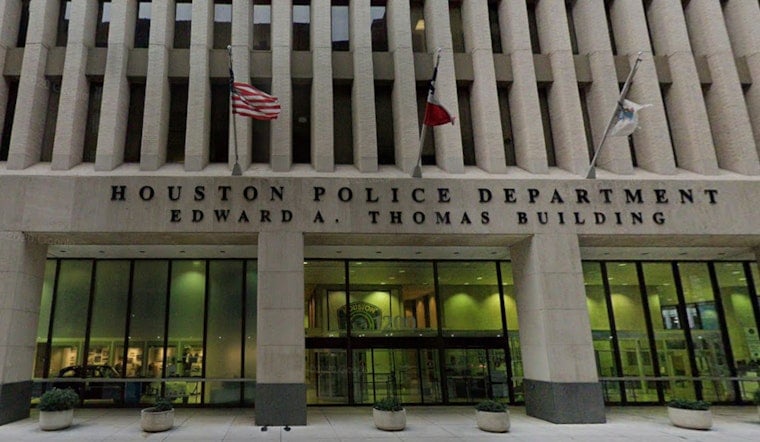
In Houston, union leaders are treating the milestone as a hard-won, bittersweet victory. Standing at the Houston Police Officers Memorial, local union president Ken Nealy called the drop "monumental" but stopped short of celebration.
"To see that number be under 100 is an incredible feat," Nealy said at the memorial, according to Click2Houston. His praise came with an obvious catch: each digit in that national tally is a person, a family, and a funeral.
Houston was not spared in 2025. The Houston Police Department lost Senior Police Officer Alex Roberts, who died after a motorcycle crash while working a traffic escort earlier in the year, the Houston Chronicle reported.
What Is Driving The Drop
Analysts say the decline in officer fatalities mirrors a broader and rare bit of good news in public safety: a historic drop in homicides across the country. AH Datalytics' Real-Time Crime Index shows murders down roughly 20% through October 2025, a fall analysts describe as likely the largest single-year decline on record.
The National Law Enforcement Officers Memorial Fund's mid-year report documented a sharp fall in line-of-duty deaths in the first half of the year, reinforcing the sense that 2025 was breaking from the grim patterns seen earlier in the decade rather than experiencing a brief statistical blip.
Training, Gear, And Culture Shift Credited
Law-enforcement leaders and safety advocates point to a mix of old-fashioned training and new technology as key to keeping officers alive. Better protective gear, more aggressive traffic-safety efforts, and increased staffing levels are all credited with improving survivability on the job.
The Below 100 initiative, which focuses on preventing avoidable line-of-duty deaths through intensive training, has been widely adopted by agencies this year. Its materials and events emphasize fundamentals like seat belts, speed control, and tactical decision-making, and departments around the country have folded those lessons into their daily routines.
Observers and leaders associated with the memorial fund have also argued that cultural and policy changes inside departments appear to be part of the story, as reflected in coverage of the Memorial Fund's mid-year findings. In other words, they say, this looks less like a lucky year and more like the payoff from years of incremental safety work.
Families Living With The Cost
For survivors, though, every statistic lands alongside a name they know by heart. The national numbers can feel almost abstract next to the reality of an empty chair at the dinner table.
"She would be ecstatic," Tanya Childress told Click2Houston, speaking about her daughter, Harris County Constable's Deputy Jennifer Chavis, who was killed by a suspected drunk driver while on patrol in 2022. The Houston Chronicle detailed Chavis' funeral and the investigation into the crash.
The drop to 97 is widely welcomed, but experts warn it is far too soon to declare any kind of permanent turning point. Officers, unions, and public-safety advocates say the only way to keep the trend going is relentless focus on training, safer traffic practices, and community-based violence prevention, all in service of the same simple goal: making sure every officer who starts a shift gets to go home.





