

























































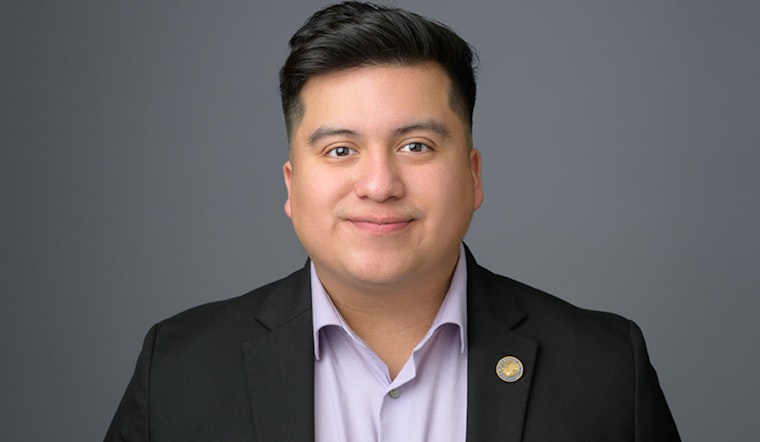
In a move that's drawn attention beyond the city limits, Jason Chavez has stepped into his role as Chair of the Public Health, Equity, and Safety Committee, addressing pressing issues in his inaugural speech following the recent inauguration into the 2026-2029 Minneapolis City Council Term. Chavez, who represents Ward 9, is not shying away from contentious politics. In a candid Facebook post, he shared his views on the current state of affairs and his vision for the future. "The sad truth is that it was difficult to be at the inauguration today as the federal government was tearing families apart with its specific targeting of the Latino community," Chavez remarked.
As the sole Latino elected to the Minneapolis City Council, Chavez feels a stirring responsibility toward his community, especially concerning federal policies. In his social media post, he addressed his constituents directly, "Ward 9 residents, you have my commitment to do everything in my power at the local level to stand up to the Trump Administration and the wealthy interests who have to much influence at city hall." The resolve to combat displacement and prioritize working families harkens back to a grassroots activism that resonates with many of his supporters.
Chavez's platform centers on a comprehensive policy agenda aimed at bolstering public health, advancing equity, and enhancing safety for all residents of Minneapolis. "I will push policy meant to protect our most vulnerable neighbors, to prioritize working families over the wealthy, to do what is necessary to prevent the displacement of our neighbors, and to put justice above anything else," he pledged in his statement.
Given the heated political climate and the federal administration's positions, Chavez is positioning local government as a bulwark against broader issues: "Local government must be the first line of defense, and that is how I'll govern this term." With this approach, the council chair seems to be laying the groundwork for what might shape up to be a tenure of vocal advocacy and policy-making rooted in the defense of marginalized communities—facing, not only the challenges from federal policies but the enduring stratifications within the city's own corridors of power. As Minneapolis navigates through these tense times, all eyes will be on how Chavez and his committee deliver on these commitments.



