

























































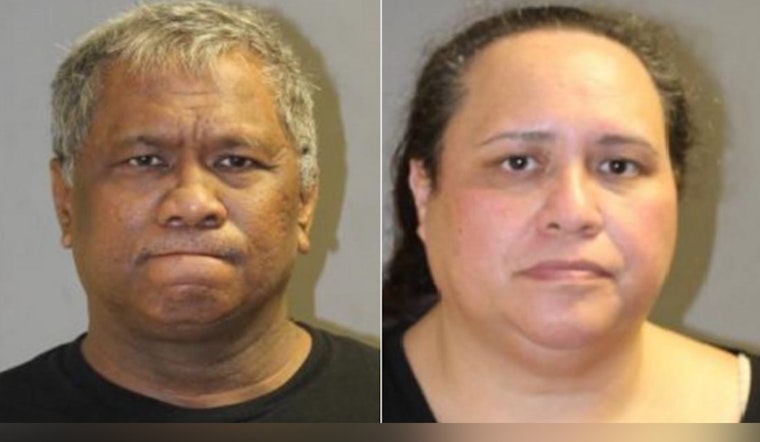
The prolonged journey to justice for six-year-old Ariel Sellers, also known as Isabella Kalua, has been met with another setback, as a judge has decided to further delay the murder trial of her adoptive parents, Isaac and Lehua Kalua, to August. According to a report by Hawaii News Now, the postponement came after Isaac Kalua recently obtained a new lawyer.
As the trial timeline extends nearly five years since the child went missing, the repercussions are rippling into connected legal matters. A separate civil lawsuit linked to Sellers' death is now experiencing delays as depositions and timelines are being reshuffled to accommodate the updated schedule of the criminal trial. "We're going to have to postpone things until the criminal case runs its course. Of course, we don’t want to do that. We would prefer just to get this thing done on the civil side. But these are the issues that we're dealing with," civil attorney Randall Rosenberg told KHON2.
Moreover, the accused couple has been advised not to partake in civil depositions while their criminal case is ongoing, due to their Fifth Amendment rights. "Because their lawyers will make them take the Fifth Amendment and not answer those questions. Until the criminal case has run its course, they have the right to the Fifth Amendment," Rosenberg added, in a statement as provided by KHON2. Other legal experts, unrelated to the case, concur that this is standard procedure to protect defendants' rights until the conclusion of criminal proceedings.
The Kaluas face serious charges, including murder, abuse, and hindering prosecution. The emotional weight of the case is hefty, as Sellers' body has yet to be found. Various parties involved in the civil case, which include the State of Hawaii and three contracted agencies, have expressed a desire to settle. "It's a difficult case to settle because there's a lot of parties, and the numbers that we're going to need to resolve this case are fairly significant. I should say substantial is a better word," Rosenberg described, as reported by KHON2. The continued postponement of the criminal trial could conceivably push the settlement or resolution of the civil case into late 2026 or beyond.





