

























































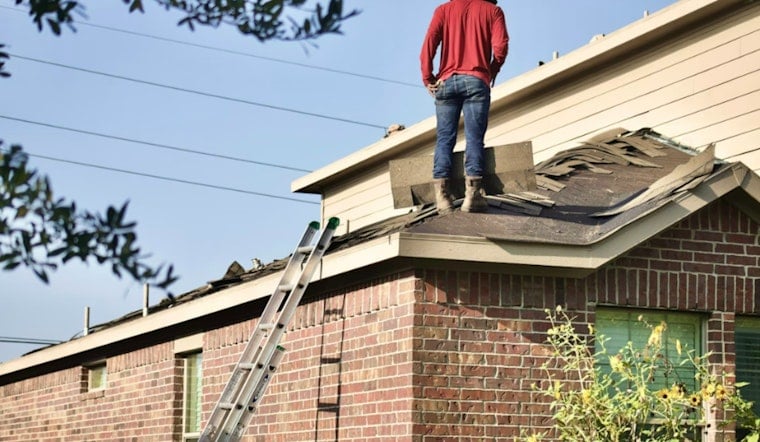
For one Kahului kupuna couple, a new roof was supposed to bring peace of mind. Instead, they say it wiped out more than $220,000 of their savings and left their home in worse shape than before, with safety concerns now taking center stage.
The couple, identified by the Better Business Bureau as Dennis and Judith, say a contractor took a series of cashier’s checks, did only minimal work, then disappeared. The BBB is now rallying local businesses through its Restoring Trust program in an effort to get their roof properly repaired. Organizers say they are still looking for a reputable roofing company willing to donate repair or replacement services so the home can finally be made safe.
How the alleged scam unfolded
According to a BBB review of the case, the contractor showed up claiming to be a licensed roofer and convinced Dennis and Judith to pay with cashier’s checks, a payment method that is notoriously hard to claw back once the money is gone. After doing only a small amount of work, the contractor allegedly stopped showing up altogether.
When investigators checked, they found the business was not properly licensed to perform roofing work in Hawai‘i, a discovery that made it harder for the couple to seek restitution. Those details were laid out in local coverage and the BBB’s own review, as reported by KHON2.
BBB's Restoring Trust coordinates repairs
The BBB Foundation’s Restoring Trust initiative has taken on Dennis and Judith’s case, reviewing what happened and trying to connect them with accredited businesses that can donate labor and materials. The program is designed to pair fraud survivors with vetted contractors, laying out clear expectations for the work and offering local companies a structured way to step in and help.
Online, the program explains how it screens participating businesses, matches them with victims and encourages donations of time, materials and expertise from accredited firms, according to the BBB Foundation's Restoring Trust program.
Local companies step up to assess damage
Some help has already arrived. Locally accredited Kapili Roofing performed a complimentary inspection of the home, then flagged the roof for hazardous-materials testing before any repairs could safely begin. That step was critical to protect any crew that might eventually work on the project.
Hawaii Inspection Group then stepped in and donated a full hazardous-materials analysis of the roof to determine whether it was safe to disturb and to map out the extent of water damage. Those volunteer inspections and tests stabilized the immediate situation, but a full roof repair or replacement still looms as an expensive and urgent need, as reported by KHON2.
Why kupuna are particularly at risk
Cases like this are part of a broader pattern. Scams targeting kupuna are a statewide concern, with consumers in Hawai‘i reporting about $61.6 million in scam losses in 2024. Advocates say seniors are often hit especially hard, both financially and emotionally.
Consumer groups and AARP warn that high-pressure payment demands are a major red flag, particularly requests for wire transfers, cashier’s checks and gift cards. They urge families to slow things down, verify licenses and credentials and insist on clear written contracts before any large payments change hands.
The state’s consumer protection office maintains a central hub of kupuna-focused resources, complaint forms and fraud-reporting tools to help seniors and their families navigate next steps if something feels off, according to the state's DCCA kupuna page.
What to do if you suspect fraud
For anyone who suspects they have been scammed, experts urge quick action. Keep all receipts, contracts and payment records, stop making any further payments and start reporting the situation to law enforcement and consumer agencies as soon as possible.
On Maui, police ask victims to call the department at (808) 244-6400 to file a report. People can also turn to the Better Business Bureau’s Scam Survival Toolkit and reach out to the Restoring Trust program for guidance on recovery options and reputable help. Victims of unlicensed contracting may also have civil or regulatory remedies through state agencies, so documenting every interaction and payment can be important for investigators, insurers and regulators, according to Hawaii News Now.





