

























































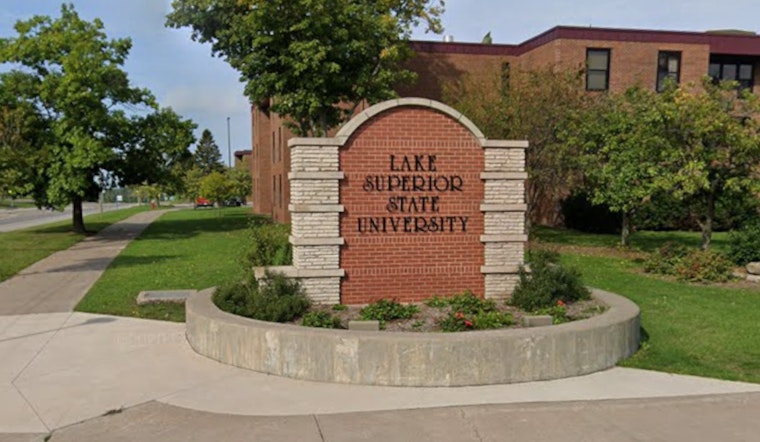
Lake Superior State University in Michigan has officially released its 2026 edition of the Banished Words List, a half-century-old tradition that catalogs the most overused and irksome words according to public submissions. This year's roster, which marks the tradition's golden anniversary, highlights a mix of corporate speak, social media slang, and other oft-repeated phrases that the university and contributors propose to retire from overuse. The "6-7" saying, after having exploded in popularity among younger demographics in 2025 and securing Dictionary.com's Word of the Year title, has found itself at the top of the banishment list, as reported by Detroit Free Press.
The list compiled by LSSU for 2026 includes words such as "massive," "incentivize," and "perfect," which are considered to be misused and clichéd by critics. To bizarrely mark the 50th anniversary, LSSU has also acknowledged "repeat offenders," phrases that have been banished on more than one occasion over the years. According to WILX, these repeat offenders include "absolutely" and "awesome," which people have grown weary of due to their perceived loss of meaning through overuse.
The term "6-7," while nabbing the questionable honor of being the most submitted for banishment, has conversely been described by Dictionary.com as "meaningless, ubiquitous, and nonsensical," and yet it remains popular among certain age groups, notably Gen Alpha. Despite the push to be officially banned, searches for "6-7" still show no sign of abating, The Detroit News reported, detailing the term's origin from a song and its rise to fame via social media platforms like TikTok.
"There are six or seven reasons why this phrase needs to be stopped," someone quipped humorously as they submitted the term for banishment, according to the Detroit Free Press. Additionally, the phrase "cooked" found itself on the banished list, with one critic stating, "Hearing it ... my brain feels 'cooked,'" as provided by The Detroit News. This points to a broader discomfort with lingo that has people groaning for change.
Submissions received for the Banished Words List were international, coming from countries as far-flung as Uzbekistan and Japan, showcasing the global impact of language trends. As the list's influence and reach continue to slowly grow, so does the public's interest certainly in what words will next be deemed overdone or redundant. To get a look at the current list or to nominate words for next year's consideration, individuals are directed to LSSU's website, as the Detroit Free Press encourages those who might wish to participate in shaping upcoming compilations of linguistic pet peeves.





