

























































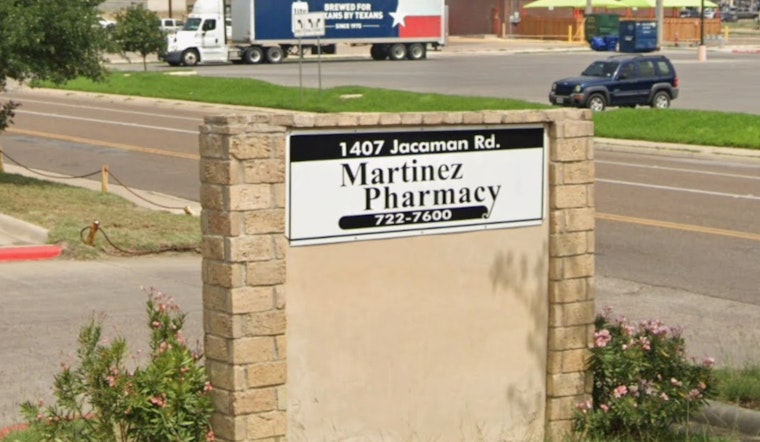
In Laredo, Texas, the owner of Martinez Pharmacy has settled a hefty fine of $750,000 in the face of allegations of failing to keep proper records and dispensing controlled substances improperly. U.S. Attorney Nicholas J. Ganjei's office announced this settlement, resolving the claims that the pharmacy violated federal requirements. Antonio Martinez Jr., 67, the man behind the counter and helm of Martinez Pharmacy, was registered since March 2003 to dispense controlled substances, including Schedule II through IV drugs, according to the U.S. Attorney's Office press release.
It was during February of 2024 when the Drug Enforcement Administration paid Antonio's establishment a visit. The DEA did not just stop by for pleasantries but came to inspect, and what they found was a series of discrepancies. They uncovered the pharmacy's failure to maintain requisite records and identified roughly 173 prescriptions for controlled substances that should've never passed through the pharmacy’s doors—issued by practitioners, allegedly, for anything but legitimate medical reasons. According to a statement obtained by the Department of Justice, these prescriptions were also "written outside the usual course of professional practice," an action that places a corresponding liability on pharmacists like Martinez to ensure the lawfulness of the prescriptions they fill.
DEA Special Agent in Charge of the San Antonio Division Miguel Madrigal sharply criticized the Laredo pharmacy's record-keeping practices. "When DEA Diversion investigators inspected Martinez Pharmacy in Laredo, they uncovered a troubling pattern of record-keeping violations, including more than 170 improperly dispensed prescriptions," Madrigal told the Department of Justice. He underscored the dangers such negligence could pose to the community and framed the substantial settlement as a warning to pharmacies regarding the seriousness of their duties, as stated in the same press release.
The Controlled Substances Act and the DEA's regulations form a barrier between legitimate medical use and the diversion of medications to the street market. Pharmacies are charged with the dual task of weeding out illicit drug distribution while simultaneously providing an adequate supply of necessary medications for genuine health care. The investigation was led by the DEA, and Assistant U.S. Attorney Jill O. Venezia took up the reins of prosecution in this case, ensuring accountability within the prescriptive pharmacopoeia of our nation's health care system.




