

























































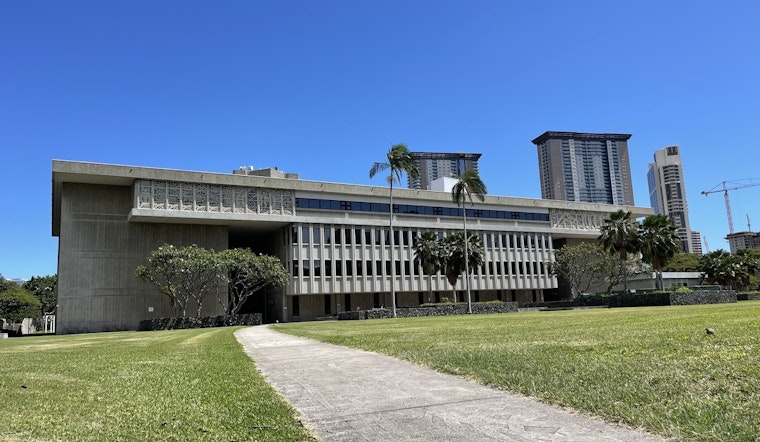
The Department of Accounting and General Services is dropping 162 automated external defibrillators into 40 state-owned buildings across five islands, a move officials say will finally put life-saving gear where everyday people can actually reach it. The rollout pairs device placement with staff training and clear signage so the units are easy to find when seconds count.
Device count and where they'll go
Most of the machines are headed to Oʻahu, which will get about 120 units. The rest will be split among Hawaiʻi Island (21), Maui (9), Kauaʻi (9), and Molokaʻi (3). The AEDs are slated for high-traffic office towers and public-facing facilities, and installations plus initial training are expected to wrap up in roughly four to six months, according to the Honolulu Star-Advertiser.
What the law requires
The effort is the on-the-ground result of a legislative directive that state buildings be equipped with AEDs and supported by a cardiac emergency response plan. Under SB92, DAGS must place units where they are accessible to both employees and the public, and must notify emergency services of each AED location.
Officials react
DAGS Director and Comptroller Keith Regan told the Honolulu Star-Advertiser he was "very excited" that life-saving devices will be available in facilities used by the public. Sen. Brandon Elefante said he was glad to see DAGS stand up an AED program and called the effort "huge" and "a good start."
Devices, maintenance, and next steps
The state has purchased Philips HeartStart AEDs and secured at least one year of maintenance from the manufacturer as part of the deal. The devices come with automated self-checks and optional remote monitoring services intended to keep each unit ready for use, according to Philips.
A local track record
Honolulu adopted an ordinance in 2017 that requires AEDs in certain city buildings, a step supporters say has already helped save lives. The ordinance and follow-on local programs have been linked to documented rescues after public AEDs were installed, with examples reflected in city code and related coverage, including the Honolulu Revised Ordinances.
Legal implications
The same law behind the new rollout does more than just require equipment. It assigns DAGS responsibility for training, ongoing maintenance schedules and coordination with emergency services, and it provides liability protections for Good Samaritans who step in during emergencies. Statutory deadlines and the department's specific duties are laid out in SB92, which will drive how the program is carried out.
DAGS describes this as an initial phase that could expand if the program proves effective, and officials are urging both state workers and the public to get CPR and AED training. Local fire departments and the American Heart Association continue to offer classes and other resources for hands-on practice.




