

























































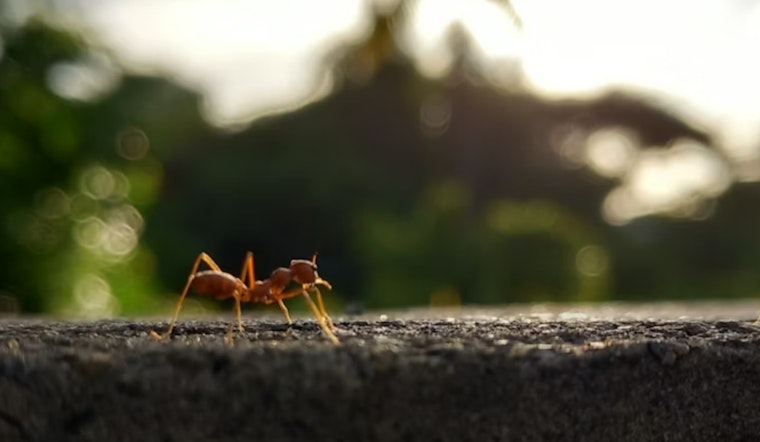
One tiny red ant has Maui conservation crews on high alert. A single little fire ant was found last week inside the Waihe'e Coastal Dunes and Wetlands Refuge, and experts say that lone insect could mark a dangerous new phase in the island’s long-running battle to wipe the species out.
Field crews surveying stream margins pulled the tiny stinger from routine traps, then immediately fanned out to map and treat surrounding areas while managers weighed changes to public access and education programs. Little fire ants deliver painful stings, can form dense supercolonies and are known to push out native insects, a combo that has habitat stewards and nearby residents watching nervously. Officials describe the latest detection as an escalation after years of work to keep the pest from gaining a firm foothold on Maui.
The discovery, made during a survey on Tuesday and confirmed by lab technicians within days, was documented by Erin Nolan at Civil Beat. “We’re on the brink of winning or losing,” MISC outreach specialist Lissa Strohecker told Civil Beat, noting that detections jumped in 2024 and crews worry the island may have reached a tipping point. The find triggered rapid follow-up surveys on neighboring private lands and prompted talks about restricting some public activities while treatment is underway.
How Crews Track And Treat Outbreaks
When a new infestation turns up, the Maui Invasive Species Committee does not go small. New sites are mapped and treated aggressively: the committee applies ant bait mixed with the growth inhibitor s-methoprene every six weeks for a year, then returns for fresh surveys and keeps monitoring for another five years, according to the Maui Invasive Species Committee.
Teams lean on a full toolkit, from drones and helicopters that drop bait into canopy and hard-to-reach spots to a specially trained scent-detection dog that can sniff out low-density pockets human crews might miss. Those field tactics build on protocols developed by the Hawaiʻi Ant Lab and University of Hawaiʻi researchers, who refined the bait recipes and application techniques now used across the state.
Why Experts Are Alarmed
Little fire ants have earned their reputation. Their stings are notoriously painful and they can cause serious harm to animals. Repeated stings can lead to blindness in pets and livestock, the state agriculture agency warns, which makes this tiny pest both a public-health problem and an economic one.
The Hawaiʻi Department of Agriculture notes that the ant has been present in the islands for decades and stresses that catching new incursions quickly, then responding in a coordinated way, is critical for eradication. Scientists add that the species’ habit of forming supercolonies can quickly overwhelm native insects and pollinators, with outsized consequences for agriculture and biodiversity.
Numbers And Money
The stats from 2024 are not comforting. Records show detections and treatment acreage spiked: Maui recorded eight new sites that year, and statewide tracking indicates the species had been identified 28 times on the island as of September, with 12 sites in active treatment, seven under monitoring and nine considered eradicated, according to Stop the Ant.
The work is expensive. The committee has historically operated on roughly $2 million a year and is weighing whether the state’s new environmental “green fee” on tourists can be tapped to boost capacity, Civil Beat reports. Officials caution that by the time painful stings get people’s attention, an infestation often already covers multiple acres, which makes containing and cleaning it up far more costly.
How Residents Can Help
Despite all the tech and lab work, local eyes and ears are still the backbone of the program. Crews urge residents to check high-risk items - potted plants, mulch, soil and landscaping materials - before moving them and to use ant-collection kits so technicians can confirm suspicious samples.
The Maui Invasive Species Committee posts step-by-step instructions for collecting and mailing samples and offers resources for homeowners who want to screen their own yards. Anyone who finds stinging ants or wants a kit can visit the committee’s little fire ant page for details and reporting options.





