

























































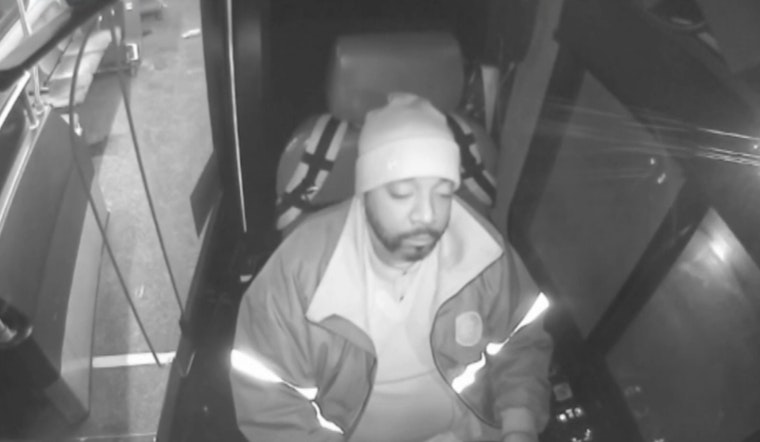
On a quiet Milwaukee Christmas night that turned deadly, former Milwaukee County Transit System driver Montrell Pharm has now pleaded no contest to felony charges stemming from a crash that killed a 79-year-old man and injured another. The plea was entered yesterday in Milwaukee County Circuit Court, and a judge is set to sentence Pharm on March 12. The collision and the video evidence that followed have once again put the spotlight on operator fatigue and transit scheduling in the city.
According to CBS 58, Pharm entered no contest pleas to homicide by negligent operation of a vehicle and reckless driving causing great bodily harm. Prosecutors say the crash happened just after 11 p.m. on Dec. 25 near 47th and Villard. The victims, who were working on a legally parked truck, included 79-year-old Robert Clemons, who was trapped under the bus and died at the scene, while a younger relative suffered broken bones, as first reported in the fatal Christmas bus crash coverage. The plea and sentencing timeline are laid out in court filings and local reporting.
How the Collision Unfolded
Video from the bus's forward camera shows the vehicle traveling mostly in the bike lane before it clipped two parked cars and then hit the men, according to FOX6 Milwaukee. The criminal complaint says the bus pushed one car into another, struck one of the men and kept rolling before finally stopping about a block away, after bystanders flagged down the driver. First responders had to extricate Clemons from beneath the bus, according to the same reporting.
Driver Video and Work History
Internal driver-camera footage reportedly shows Pharm with his eyes closed at times while the bus was both stopped and moving, and prosecutors say the forward and cockpit videos formed a central part of the case, as documented by Urban Milwaukee. In a mirandized interview quoted in the complaint, Pharm told investigators he had been working long "split" shifts and said he had slept only about six hours the night before the crash. He also suggested that health and medication issues might have played a role.
Records cited in the complaint show a prior incident in October in which investigators concluded that he "appeared to fall asleep" at a red light. MCTS later suspended and retrained him before allowing him back on the road, according to the same reporting. For critics, that history has raised blunt questions about how many warnings a system gets before tragedy strikes.
Legal Implications
Pharm's no contest pleas resolve the question of guilt in the criminal case but leave his punishment to be decided at sentencing. He is scheduled to return to court March 12, when a judge will determine his sentence and any restitution, as reported by CBS 58.
Under Wisconsin law, homicide by negligent operation of a vehicle is a felony that can carry up to 10 years in prison and fines up to $25,000, according to the Wisconsin State Law Library. Prosecutors and defense attorneys are expected to use the sentencing hearing to argue over how harsh that punishment should be and which mitigating factors, if any, should influence the final decision, as reflected in court filings.
Family, Union and Safety Questions
The Clemons family has spoken publicly about their loss, telling WISN 12 that Robert Clemons was a devoted family man who liked to help others and was simply out working when his life was cut short. Their grief has become a human face on a case that might otherwise get lost in legal jargon and transit jargon.
Transit workers' union leaders, meanwhile, have pointed to long shifts and staffing shortages that push drivers to log significant overtime. Urban Milwaukee reports that the union has called on MCTS to improve working conditions that members say heighten fatigue risks. When the case returns to court in March, a sentence will close this chapter legally but will almost certainly leave open larger policy debates about operator schedules, oversight and how many corners a transit system can cut before the public pays the price.





