

























































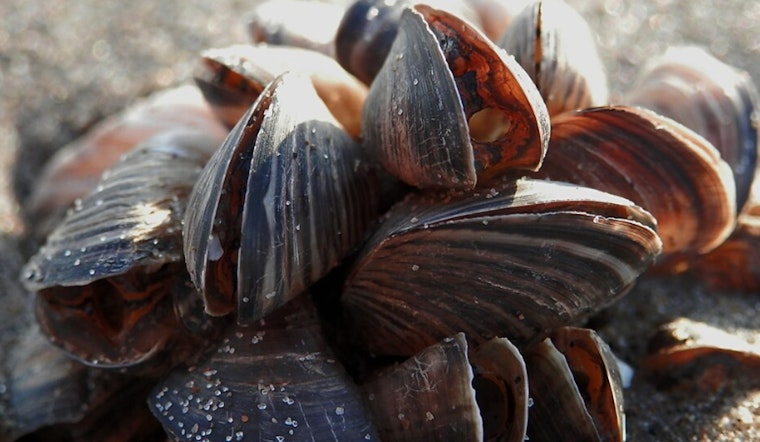
Lake Superior, long the last of the Great Lakes largely spared from a full-scale zebra and quagga mussel takeover, is under fresh pressure as scientists find mussel DNA, larvae and small adults in more places around the basin. Park divers and university researchers are leaning on hand removal, emerging genetic tools and a growing corps of volunteers to keep small infestations from turning into a lakewide crisis. With warmer, calmer bays and changing chemistry, researchers say the window to stop a catastrophic spread is narrowing.
Last August, divers working around the Mott Island Dock at Isle Royale collected dozens of tiny zebra mussels during targeted surveys, and park crews have been pulling specimens from the same dock since a 2018 discovery of more than 3,000, according to Outrider. Isle Royale diver Lauren Isbell told reporters, “I'd much rather pull three mussels than 3,000,” underscoring how simple, old-school manual removal is still an essential early detection tool. Those finds, along with reports of veligers and mussel DNA in open water, have pushed agencies to expand monitoring around the lake.
According to the National Park Service, staff have deployed artificial monitoring plates, installed boat-cleaning stations and prioritized surveys at wrecks, docks and other high-traffic sites as part of a prevention and response program launched in 2021. NPS biologists emphasize early removal and public outreach because dreissenid mussels can hitchhike on boats and gear for days. Those operational limits, plus big stretches of shoreline that are rarely surveyed, make rapid detection the key tactic for slowing spread.
Where They've Turned Up
Small, reproducing populations have been confirmed in high-traffic harbors and bays including the Duluth–Superior Harbor and Ontario’s Thunder, Black and Nipigon bays, and researchers say Nipigon in particular challenges old assumptions about where mussels can establish. Peer-reviewed surveys and plankton sampling have documented veligers and low-density settled mussels across parts of the western lake, signaling that larvae can travel from estuaries into embayments and reefs, according to research published in the Journal of Great Lakes Research. That pattern suggests containment is still possible, but only where monitoring coverage is steady.
How Scientists Are Fighting Back
Field teams are combining hand picking with experimental removal tools. Tarps, underwater crawlers and heavy plows have all been tested at infested sites as managers look for anything that can knock back small populations before they explode. At the same time, labs are scaling up genomic surveillance to trace invasion pathways.
The Great Lakes Commission has summarized those tactics and warned that funding and staffing shortfalls limit rapid response capacity. University researchers are running genomic surveillance projects to map mussel genetics and identify likely source waters so managers can better target cleaning requirements and enforcement.
Why Warming Waters Matter
Zebra and quagga mussels reproduce once surface waters reach roughly 54°F, and Lake Superior's surface is hitting that threshold more often. Scientists say that shift increases the chance that low-density detections become self-sustaining populations. Warmer bays and pockets with higher nutrients or calcium create the right conditions for larvae to settle and survive, according to reporting by Circle of Blue. That dynamic is why managers are treating shallow embayments and harbors as priority zones for monitoring and response.
What Boaters And Anglers Should Do
State and federal agencies stress a simple checklist: remove mud and plants, drain bilges and livewells, and pressure-wash gear or let boats dry for at least five days before launching elsewhere. Volunteer monitoring programs and reporting tools are available, including a zebra mussel monitoring program from the Minnesota DNR that offers instructions and a volunteer report form to help track new detections. Keeping trailers and equipment clean and reporting suspicious finds remain the most effective, low-cost defenses.
The economic and ecological stakes are high. Dreissenid mussels have already reshaped food webs, damaged infrastructure and cost the region billions in the lower lakes, and scientists warn Lake Superior could face similar losses if the invasion becomes widespread. Managers say early detection, sustained funding and coordinated enforcement across states and provinces give the best chance of holding the line. As the Great Lakes Commission notes, that will require policymakers to treat the problem as a basinwide priority rather than a series of local nuisances.



_-_Long_Point,_Ontario_2013-04-26.jpg)