

























































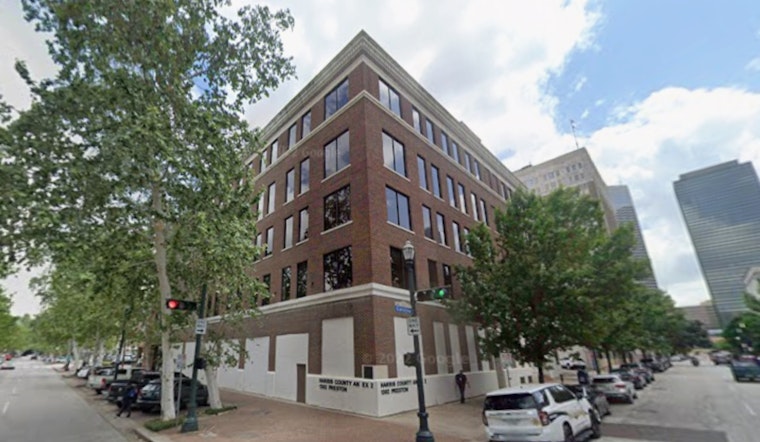
Harris County officials say a change in state law could increase county costs by moving more neighborhood patrol expenses to local taxpayers. They warn it may affect funding for other county services and could impact last year’s law enforcement pay raises.
What The Law Does
House Bill 26 gives sheriffs and constables in counties with more than 3.3 million residents the power to cut their own patrol deals with property owners' associations, local governments and private landowners. It also prohibits the commissioners court from blocking or narrowing those agreements, according to the Texas Legislature.
Under the statute, the elected sheriff or constable can set the terms of those contracts without needing sign-off from county commissioners. County leaders say that change strips away a key budget control and opens the door to deals that look good locally but leave the broader county ledger gasping for air.
County Leaders Sound The Alarm
At the heart of the anxiety is who pays what. In 2025, Harris County picked up $37.8 million in contract patrol subsidies, while residents and community groups covered about $111.6 million. If constables start cutting cheaper deals to keep neighborhoods happy, county officials fear the public share of that tab could climb fast.
Commissioner Adrian Garcia has already labeled the measure a "budget killer," and county leaders say commissioners have urged constables not to sign contracts where the county is on the hook for more than 60 percent of the cost. Even so, several constables are already in talks with neighborhoods about lower-rate packages and new funding formulas, including one community that floated around $2 million to pay for 15 deputies, as per Houston Chronicle.
Budget Math And Legal Tangle
Layered on top of all this are state laws passed after 2020 that make it difficult for counties and cities to cut or reshuffle police budgets. Those rules raise the possibility that if a neighborhood or private partner walks away from a contract, the county could still be stuck with the bill and limited options to trim spending somewhere else.
That legal backdrop is a big part of why commissioners say open-ended contracting power for constables and the sheriff could turn into an expensive surprise. As the Texas Tribune has detailed, 2021 legislation created penalties and procedural roadblocks for local governments that try to "defund the police" without voter approval.
What’s Next
Constables and county leaders say they plan to keep talking through the winter, with some precincts preparing outreach meetings to walk neighborhoods through patrol options and price tags before the next budget cycle hits. County officials are also weighing limits on which types of deals will be allowed or when new agreements can start so fresh contracts do not land midyear and trigger emergency cuts elsewhere.
For now, both sides say the outcome hinges on coordination and clearer ground rules. The new law could broaden access to constable patrols, or it could simply shift more of the cost onto Harris County taxpayers. How those upcoming negotiations play out will decide which story residents end up living with.




