

























































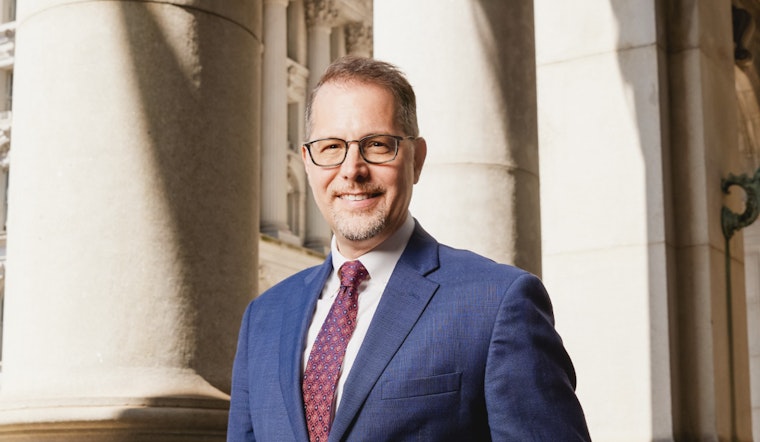
As New Yorkers grapple with the reality of a daunting financial outlook, New York City Comptroller Mark Levine laid bare the figures of an impending budgetary abyss: a $2.2 billion shortfall in the current fiscal year and a staggering projection of $10.4 billion for FY2027. In a report by CBS News, Levine characterized the city's financial situation as the most challenging since the Great Recession and pointed towards the necessity of making difficult decisions regarding revenue and expenditures.
According to Levine's analysis cited by AM New York, this budgetary crunch is not the aftermath of a flailing economy but a direct result of spending decisions made under the Adams administration. His office unearthed $3.8 billion in unbudgeted costs for FY26, including but not limited to rental assistance and homelessness services. These gaps, Levine stresses, demand a pivot away from perennially underestimated budgets and one-time fixes to a more sustainable approach.
Levine remains optimistic, however, about prospects for economic growth as a pathway out of fiscal strife. With an economy still buoyed by tourism and a robust stock market, the comptroller sees the potential for economic expansion to ease the burden of budget balancing acts. This is in stark contrast to the narrative of budgetary gaps being tied directly to an economic slowdown—an analysis shared by both AM New York and CBS News.
However, conflicting visions for closing the budget gap are evident in city hall. Mayor Zohran Mamdani's approach leans toward upping the state's corporate tax rate and imposing additional taxes on the city's wealthiest, proposals that have not found favor with Gov. Kathy Hochul as she dismissed the notion of raising taxes on high-income earners in her State of the State address. Yet, the shadow of healthcare costs looms large, with Levine confirming the city's Health Insurance Stabilization Fund's insolvency, a liability that beckons for a solution through negotiations, as reported by AM New York.
Despite the somber projections, Levine affirms that the city need not abandon its ambitious goals for the future. He suggests that long-term initiatives might need to be realized gradually, built upon a foundation of transparent accounting. This sentiment, echoed in both reports, positions the forthcoming budget negotiations as pivotal in molding the city's fiscal path.
Separately, Levine addressed concerns related to past pension fund investments in controversial entities such as Palantir Technologies. "We are aggressive shareholders," Levine told AM New York.


