

























































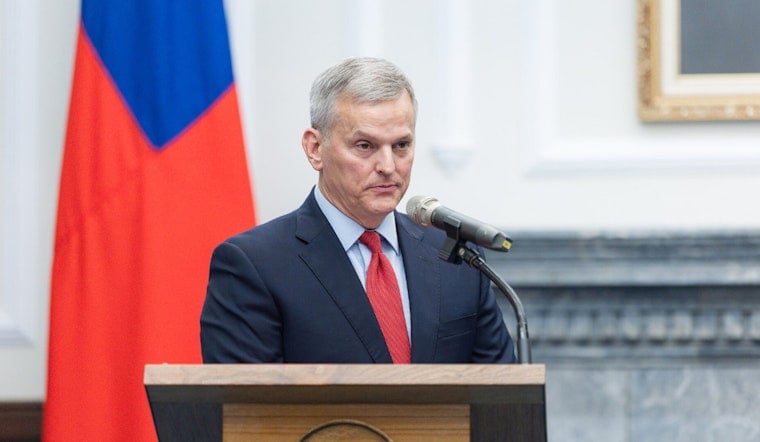
It's another stride towards a more balanced checkbook for North Carolina residents as Governor Josh Stein pledges to trim electricity costs, a boon for families feeling the pinch. In a bipartisan move, Governor Stein and his counterparts, together with the Department of Energy and the National Energy Dominance Council (NEDC), are taking a swing at electricity market reform by endorsing a Statement of Principles targeting the PJM market, which impacts a slice of northeastern North Carolina. "I am committed to keeping electricity cost as low as possible for families," Governor Stein elucidated in a statement obtained by the Governor's Office official news outlets.
The plan includes measures to protect small businesses and households from increases in electricity capacity prices and to require data centers to pay a fairer share of energy costs. Under the Statement of Principles signed by Governor Stein, data centers that previously did not fully cover the costs of their high electricity use may now face pricing changes that better reflect their demand. The plan also calls for improved electricity load forecasting and updates to market rules, according to statements from the Governor's Office.
Governor Stein has previously supported energy policies aimed at reducing costs for residents. His administration has overseen $4.9 billion in clean energy investments, supporting more than 15,000 clean energy jobs across North Carolina. One example includes JetZero, which plans to develop high-efficiency, low-emission aircraft at Piedmont Triad International Airport. In addition, the state launched Energy Saver NC last year, a program that offers rebates to households for installing energy-efficient appliances, improving home insulation, or upgrading electrical systems, according to the Governor’s Office.
Strengthening the state’s energy resilience following hurricanes is also part of the administration’s focus. In response to storms such as Hurricane Helene, Governor Stein issued an executive order creating the North Carolina Energy Policy Task Force. The task force is charged with addressing growing electricity demand and is expected to release its first report by February 15 for state leaders and policymakers.





%E8%A8%AA%E5%95%8F%E5%9C%98_-_54892050469.jpg)