

























































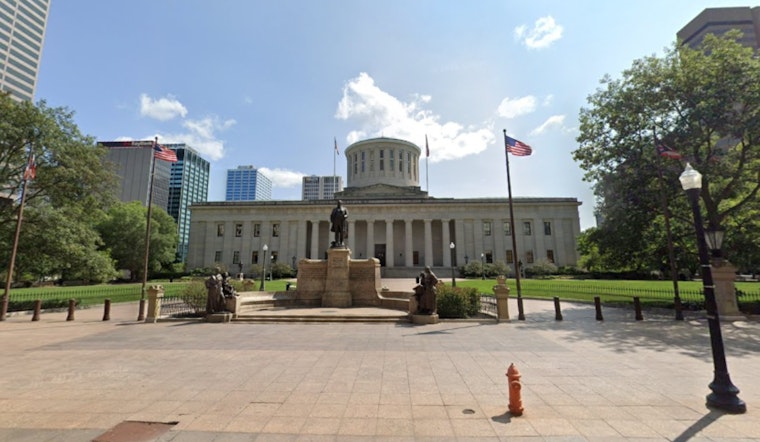
In a move to bolster the integrity of Ohio's child care system, State Representatives Josh Williams and D.J. Swearingen, both Republicans, have introduced legislation aimed at fighting fraud within publicly funded daycare centers. This legislative push follows allegations similar to fraud uncovered in Minnesota, involving various public programs. As obtained by Cleveland19, Williams emphasized the premise of their "Childcare Fraud Prevention Act," stating, "It creates a simple rule if you are taking taxpayer money you will provide attendance proof services, and prove compliance or you will lose funding and face potential prosecution if we find waste, fraud or abuse."
The proposed measures would require the installation of cameras in child care centers, accessible in real-time to the Ohio Department of Children and Youth to facilitate inspection and monitoring, according to information from State News. Williams stated that such transparency is imperative, and if parents are uncomfortable with such oversight, "then don't take child care subsidies. It's that simple."
Ohio Attorney General Dave Yost has offered his support for the initiative, highlighted by Williams's remarks about the importance of independence in investigations to enhance program integrity. Disagreement arises from within the political spectrum, as Ohio Senate Democrat Nickie Antonio showed preference for Governor DeWine's current efforts, criticizing the legislation as a potential "witch hunt" inspired by national talking points, according to a statement published by Cleveland19.
Claims from social media influencers about fraudulent activities in Somali-run daycare centers have stoked the flames of this legislative endeavor. Although these accusations remain unproven, and the Governor's office indicates that the existing child care system is fundamentally protected against such fraud, the online conversations have prompted increased scrutiny, including 10,000 unannounced visits and the closure of 38 child care centers last year as told by Governor DeWine, and documented by The Columbus Dispatch. Despite these efforts, the legislation from Williams and Swearingen suggests the establishment of "mandatory enforcement escalation," where suspicions of fraud would be escalated to the Ohio auditor and potentially to the attorney general for prosecution.
While the exact financial implications for the state and child care providers are yet to be determined, the new legislation has not yet been formally introduced or assigned a number. In the interim, Ohio's approach to publicly funded child care fraud continues to be a point of contention, with different perspectives within the state's leadership seeking to shape the final course of action in protecting children and taxpayer dollars alike.





