

























































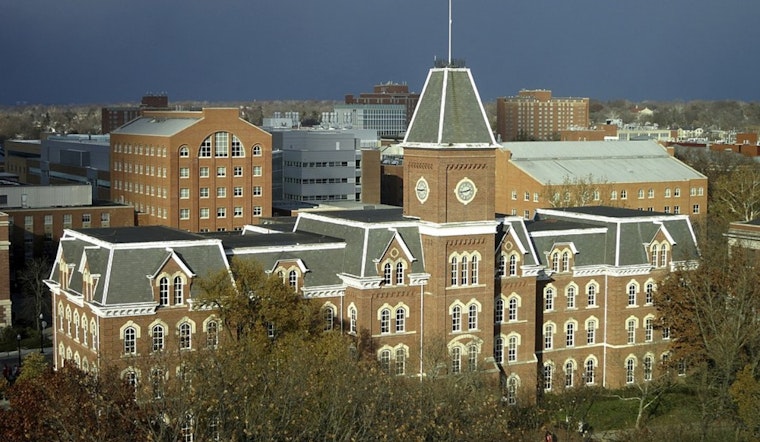
Recent discussions at The Ohio State University reveal a noticeable pivot in U.S. foreign policy language, particularly in the context of Venezuela, after Venezuelan President Nicolas Maduro's capture in "Operation Absolute Resolve." National security scholars gathered at a Mershon Center for International Security Studies panel, scrutinized the new tone of American diplomatic discourse, as reported by OSU News.
Christopher McKnight Nichols shined a light on the departure from human rights rhetoric traditionally used by the U.S. to a more oil and narcoterrorism-focused narrative. "It's a paradigm shift about even how the U.S. described this act," Nichols told the panel, contrasting the current narrative with past foreign policy justifications, according to OSU News. Meanwhile, Delcy Rodriguez, Venezuela's acting president, released political prisoners, a move seen as an ode to America's historical human rights stance, but not directly called for by the U.S. government.
In examining this strategic shift, Dakota Rudesill and others pondered the legal aspects of the operation while scholars like Mathew Coleman and Max Woodworth delved into the geopolitical repercussions, particularly concerning oil. With a more transparent approach to foreign affairs, these experts noticed that the cloak-and-dagger operations of the past were being replaced by an overt display of motives and intentions. Coleman stated via OSU News, "There's really no attempt here to hide the machinations of statecraft," noting that even the casual news audience can grasp the happenings without needing to dissect obscured policies.
This clarity of action suggests a more spontaneous American foreign policy approach, a view echoed by Coleman's thoughts on statecraft being "stated bluntly; it's stated plainly",, akin to previous administrations where grand strategies were often out of public view. A quote by Karl Rove, cited by Coleman, encapsulated this sentiment, indicating that as an empire, the U.S. can create its own reality through unabashed action, leaving the world to analyze the aftermath.
As the U.S. seemingly moves away from human rights advocacy to more openly state its interests on the world stage, these Ohio State University panelists are sketching a foreign policy landscape that has stripped away the veil, candidly revealing the power plays that mold global dynamics. The unfolding events in Venezuela offer a glimpse into how this new era of unvarnished American diplomacy might unfold—an era where actions and their justifications are laid bare for all to see.





.jpg)