

























































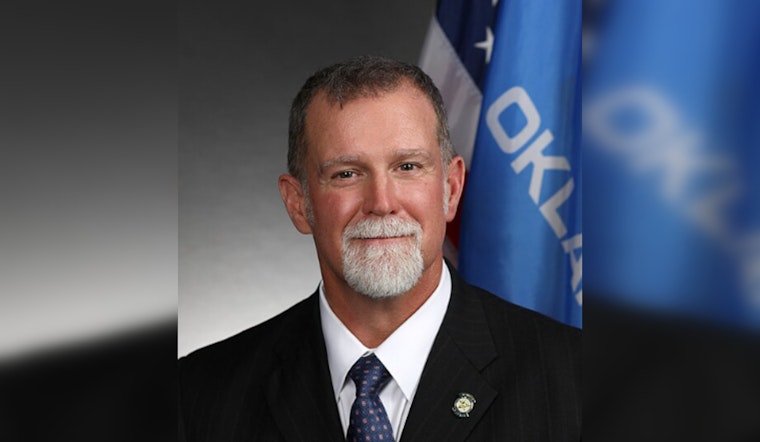
State Senator Warren Hamilton is taking firm steps to fortify Oklahoma's legal defenses against foreign influence and AI-based risks, particularly regarding land ownership and the landscape of digital interactions in which children participate. Senator Hamilton has proposed a series of bills intended to shield locals from external interference and to uphold national security, according to details from the Oklahoma State Senate's website. Senate Bill 1672 seeks to outright ban foreign entities from acquiring land within the state, removing loopholes that allowed exceptions, in the past. In the same spirit, Bill 1706 aims to stop data centers from being rented, leased or otherwise controlled by foreign interests. Hamilton firmly stated, "Under no circumstances can we permit non-citizens, to gain access to our lands, resources, or personal data."
Aside from land and data security measures, there's also a strong push to guard the state's younger population from the darker corners of artificial intelligence. Senate Bill 1521 is designed to protect minors from AI chatbots that may present them with explicit material or encourage endangering behaviors. This legislation would force developers to introduce reliable age-verification methods and could slap noncompliant companies with fines up to $100,000, as reported by the Oklahoma Senate.
"Entirely too many innocent children have been exposed to harmful and explicit content through AI and online platforms, leaving them susceptible to exploitation, trauma, and lifelong psychological harm," Hamilton said, outlining the potential dangers AI can pose to young users. The proposed safeguards, though potentially complicating user experience, are deemed by the Senator as crucial measures. These initiatives, according to Senator Hamilton, are not merely legislative hurdles but necessities to protect the integrity of Oklahoma's youth, as stated by the Oklahoma Senate.
The bills proposed by Senator Hamilton are set to be reviewed when the 2026 legislative session commences on February 2. As the discourse about data sovereignty and technological influence grows more pressing, the actions of Oklahoma's legislators may set a precedent for how states approach and regulate these complex and evolving issues.





