

























































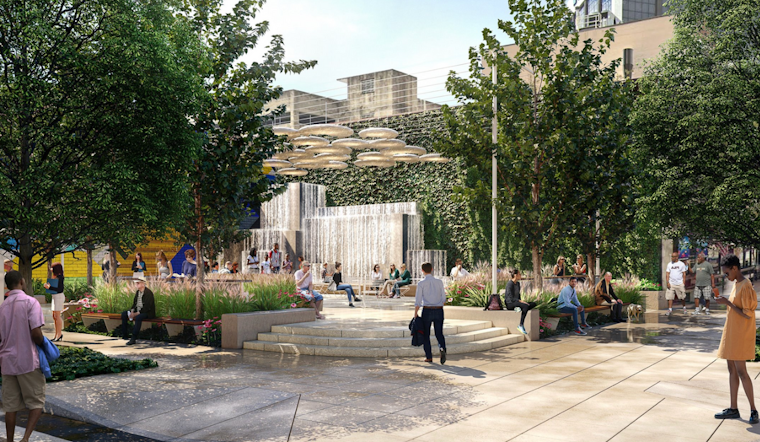
Downtown Orlando is on the brink of a sweeping transformation with a raft of new development projects aimed at boosting walkability and traffic, as detailed in recent briefings to the public. These changes are part of the city's Downtown Action Plan, which includes a conversion of notable streets from one-way to two-way traffic, the addition of green spaces, and the improvement of the area's pedestrian accessibility.
Among the slated projects is the first phase of the Magnolia Avenue Roadway Improvement, starting in early February. It will extend from South to Livingston Streets. According to WESH, the reconfiguration of the road aims to increase functionality for vehicle traffic by assimilating current bus lanes and is anticipated to increase business profits and decrease crime.
Another key project is the construction of a pocket park located at 30 South Orange, where designs are set to begin next month. This development will feature shade, a spot for food service, and a water element. Meanwhile, additional landscaping plans for Church Street are aiming to start this spring to refurbish the street with wider lanes and ample greenery. David Barilla, an executive on Orlando's Downtown Development Board and CRA, emphasized the long planning process behind these projects, telling MyNews13, "But now we’ll start to see shovels in the ground, and transformation is just on the horizon."
Concerns were raised by resident and preservationist Jeff Thompson about the potential removal of historic brick streets. "They're significant culture to Orlando. The first thing women ever got to vote on in the city was, I want bricks. I'm tired of my dress getting dirty in the dirty streets," Thompson explained, relaying the cultural value these streets hold to WESH. A historic home near the anticipated demolition site at 205 East Central was also a point of interest for Thompson, who suggested repurposing it into a restaurant to prevent loss of cultural heritage.
Positioning itself as an urban oasis, The Canopy—a park nestled beneath I-4—will feature public art, aiming to offer people a place to unwind and connect with the city. Construction for this project is set to kick off this summer. Overall, these efforts are funded by the Community Redevelopment Agency with a budget of under $160 million and are part of a long-term vision to encourage businesses and families alike to make downtown Orlando a place to spend their entire day.


