

























































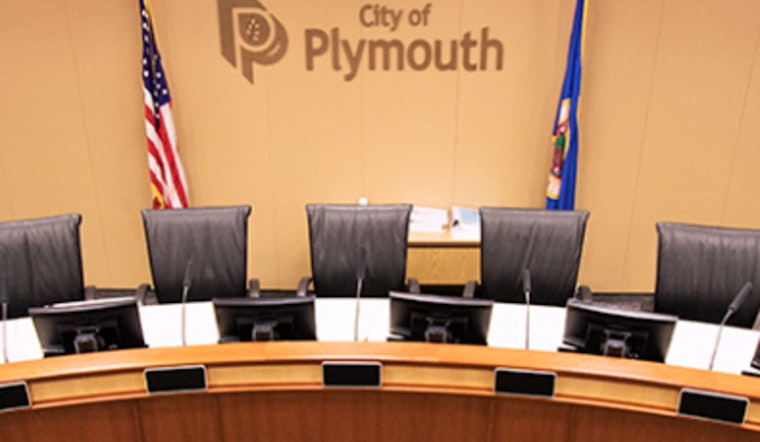
The gears of change are steadily turning in Plymouth as the City Council recently green-lit a resolution to pursue a half-cent local sales tax, a move that could ultimately funnel $135 million into the community's recreational heartbeat. On January 13, the council's decision marked the first step toward revamping sports and recreational facilities that are gasping for modern-day life. According to a release from Plymouth's official website, if the Minnesota Legislature gives the thumbs-up this spring, Plymouth voters will have the chance to weigh in this November.
Ringing in as the beneficiaries of this potential financial injection, the Plymouth Ice Center is slated for a $55 million makeover and expansion. At the same time, the Plymouth Community Center could bid its seasonal dome goodbye, giving way to a plush, year-round Fieldhouse with a similar price tag. A new $25 million regional sports complex also throws its hat into the ring, eyeing the former Four Seasons Mall site for its glory. Awaiting public judgment, the plan resulted from the echo of community voices and aspirations for more and better-equipped spaces to cater to the burgeoning sports and recreation demands. The ambitious proposal, poised to recalibrate the local recreation landscape, plans to deftly share the fiscal burden between residents and the visitors who come to partake in Plymouth's facilities. The city's project details are illuminated.
With the wear and tear of decades punctuating the current state of the amenities, upgrades, and new constructs emerge as not just wants but needs—considerations of safety, accessibility, and efficiency now paramount. Not to mention, the community's yearning for athletic fields that don't take a seasonal hiatus. Funding these projects via a sales tax could be seen as a nod to communal equity, insisting that both locals and passersby shoulder the financial load rather than funneling the cost down a one-way street directly onto property owners' backs. Supporting this approach, a University of Minnesota study found evidence suggesting that around 55% of the sales tax would come from individuals residing beyond Plymouth's borders, as stated by the City of Plymouth.



