

























































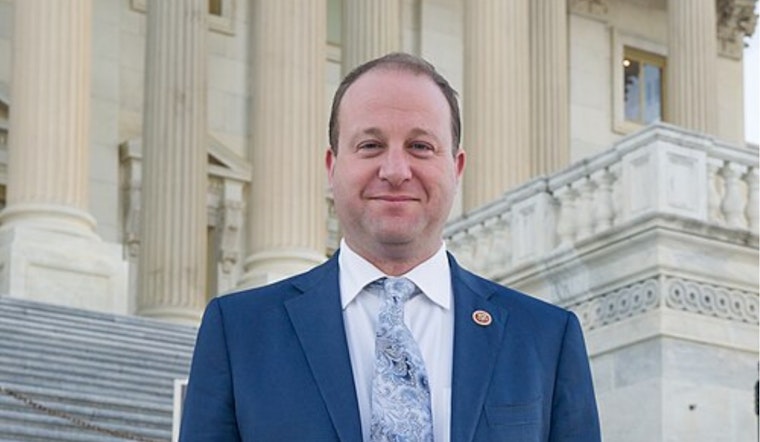
Gov. Jared Polis has quietly stopped signing off on early parole for people who complete Colorado's Juveniles and Young Adults Convicted as Adults Program, or JYACAP, leaving a small but visible group of long-serving inmates stuck in limbo. The freeze hits people who committed crimes as teenagers or very young adults and have since spent decades in prison. The program is designed to move eligible prisoners into supervised reentry after they finish a three-year rehabilitative curriculum, and advocates, critics, and corrections officials say the pause has added new political and logistical strain as Colorado's prison population grows and discretionary parole grants decline.
State records and prior reporting show that 44 people have been accepted into JYACAP so far. Of those, 17 graduates were granted release after completing the course, while 11 others who finished the program are still behind bars waiting for the governor to act. The stall in approvals began in 2023, and a Department of Corrections spokeswoman told reporters that none of the 17 released graduates had their parole revoked, according to The Denver Post.
Created in 2016, JYACAP was broadened by lawmakers in 2021 to include people who committed felony offenses before turning 21, and it requires the Department of Corrections to run a dedicated three-year curriculum for those participants. Under state law, the parole board can recommend early release for graduates, but no one actually walks out early without the governor's signature, as laid out by the Colorado General Assembly.
Prison Crowding Raises the Stakes
A recent state budget analysis warned lawmakers that Colorado's men's prisons are approaching capacity and could run out of beds in the next fiscal year, complicating decisions about who can safely be released. Analysts and corrections officials point to staffing shortages, fewer discretionary parole grants, and an uptick in revocations as key drivers of the crunch, according to Corrections1.
Polis' Earlier Approvals and Clemency Track Record
Before the 2023 pause, records show Polis approved early releases for 17 JYACAP graduates over three years, a run of sign-offs that ended when he stopped acting on the program's recommendations, The Denver Post reported. At the same time, the governor has made use of his broader clemency powers in other cases, commuting sentences and issuing pardons in recent years, a pattern detailed by CPR News.
Critics, Reformers and a High-Profile Fight
Some law enforcement leaders and elected officials have opposed early release for people convicted of serious crimes. Republican state Rep. Gabe Evans publicly led resistance to at least one prominent JYACAP-related application and urged officials to shut it down, according to a statement from Rep. Gabe Evans. On the other side, juvenile justice reform advocates argue that the statute and the three-year program are rooted in research on adolescent development and that structured reentry programs are associated with lower recidivism, a view reflected in national analyses cited by Prison Legal News.
Governor's Legal Options and an Eye on Another Case
Under state law, Polis still has several tools at his disposal. He can grant early parole to JYACAP graduates under the existing statute, commute sentences, or issue pardons, all of which operate separately from Department of Corrections programming. Polis has also signaled that he is considering a commutation request in the separate, high-profile case of former Mesa County clerk Tina Peters, a possibility discussed in recent coverage by The Colorado Sun.
For now, dozens of people who were teenagers or very young adults when they committed their crimes remain behind bars awaiting executive action, and that uncertainty has intensified the argument over how Colorado should balance public safety, rehabilitation, and a strained corrections budget. As the legislative session unfolds, both lawmakers and the governor face a set of difficult decisions that could reshape JYACAP, alter the parole process, or shift the state's broader approach to crowded prisons.



