

























































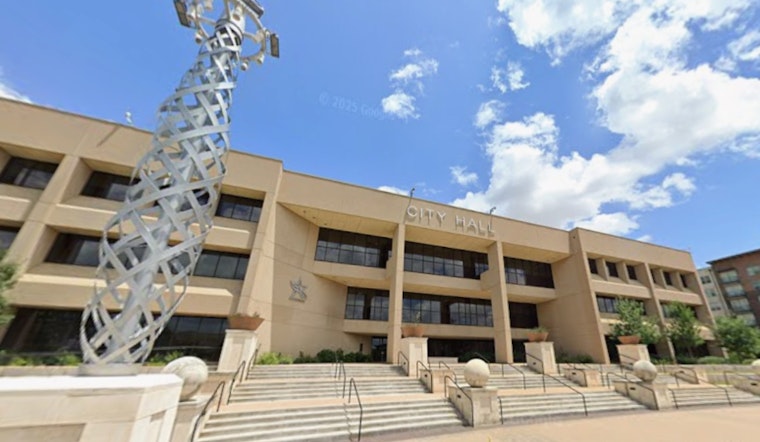
Arlington officials are gearing up to ask residents a familiar but high-stakes question: Should the city keep a long-running quarter-cent sales tax that helps pay for street repairs, or let it fade out in 2026? Public works staff told the city council this week that current dollars are not enough to hold the line on pavement conditions, and the issue could land on a May ballot.
According to the City of Arlington, voters first signed off on the one-quarter-cent street maintenance sales tax in 2002 and have renewed it in every election since, most recently in May 2018. If residents do not reauthorize it again, the tax will expire on December 31. By state law, the city notes, that money can only be used to maintain and repair streets and sidewalks that already exist on the day voters reapprove the tax.
City staff told council members the quarter-cent is projected to pull in about $26 million this year, but that officials still see roughly a $30 million gap to keep street conditions from sliding, even with more than $58 million budgeted for street work overall. As reported by the Fort Worth Report, council members were shown forecasts that, without additional funding, miles of “yellow” streets will keep dropping into the worst category year after year.
How Arlington Measures Road Health
The city uses an Overall Condition Index, or OCI, to score pavement on a 0–100 scale, with anything above 70 marked green, 50 to 70 considered yellow, and below 50 flagged red, according to City of Arlington materials. Under city policy, red streets are targeted for major rehab or full reconstruction, while yellow streets get preventative maintenance to slow the slide, a strategy staff say helps stretch every limited dollar a little further.
Where the Worst Streets Are
Public-works officials told the council that Arlington’s street network covers more than 3,000 lane miles and that a little over 600 of those miles, just above 20 percent, are rated worse than fair. The Fort Worth Report notes that the bulk of red-rated roads sit in neighborhoods, with about 81 percent of failing streets in residential areas, and that without more money an estimated 56 miles of yellow streets could slip into the red category each year.
What Comes Next
Council members must vote to put a reauthorization measure on the ballot if they want the tax to continue beyond its December 2026 sunset, and staff outlined a schedule that would let residents decide as early as a May election. City leaders say the choice boils down to how to juggle immediate neighborhood needs with long-range capital plans and the city’s bond program.
If voters reauthorize the quarter-cent tax, the revenue would keep flowing to work the city lists as eligible under state law: reclamation, mill-and-overlay projects, concrete-panel replacement, crack sealing and sidewalk repairs. If the tax is allowed to lapse, staff warn that more streets will tip from “still savable” to “full rebuild,” and that costly reconstruction jobs will start showing up more and more often.





