

























































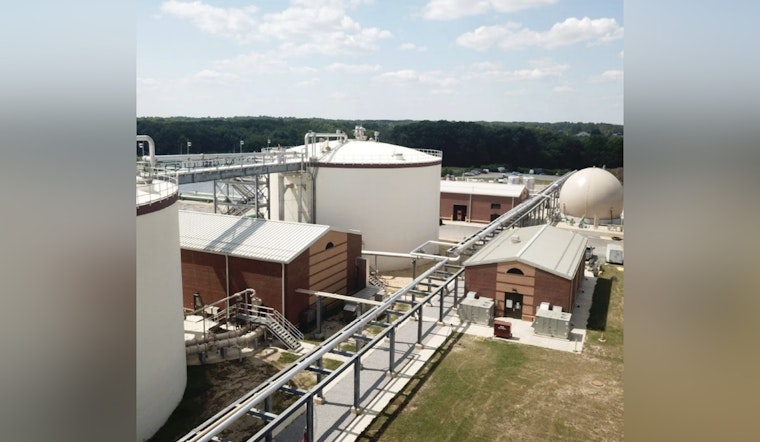
The City of Raleigh is turning waste into wealth, thanks to an innovative energy project that's just secured a green light from the local council. The Bioenergy Recovery Project, a venture converting biosolids into renewable natural gas for city buses, now stands to contribute even more to the community's sustainability and infrastructure maintenance.
By securing environmental credits under the Environmental Protection Agency’s Renewable Fuel Standard Program, Raleigh can now sell these credits and use the proceeds to support essential operations, the City of Raleigh - Government announced on social media today. "Great news: Council approved selling the credits, and we’ll use the proceeds to operate and maintain water and sewer infrastructure!" the post proclaimed, outlining the process from 'flush, to fuel, to fund.' This strategy aligns with our shifting perspectives on waste management and sustainability, treating what was once solely waste as a resource to potentially ease the city's financial burden on utility maintenance, the potential of which is vast and multifaceted as the city continues exploring sustainable development paths within the civic infrastructure.
The Bioenergy Recovery Project represents a dual victory for Raleigh, both in environmental and fiscal terms. As the city taps into the power of renewable energy, the generated environmental credits become a tool that not just bolsters Raleigh's green image but also shores up the foundational services that keep the city running smoothly. The revenues from the sale of these EPA credits will flow into the maintenance and operation of water and sewer systems, crucial for any municipality but often challenged by budgetary constraints.
This development highlights how cities can adopt innovative public utility projects that are both cost-effective and environmentally responsible. Raleigh’s approach reflects ongoing efforts to pursue sustainable urban solutions and may serve as a model for other municipalities exploring ways to convert waste into usable energy. The initiative shows how renewable resources can support public services in practical ways. As described by the City of Raleigh, the process turns waste into energy and funding, creating measurable benefits for both residents and local government.





