

























































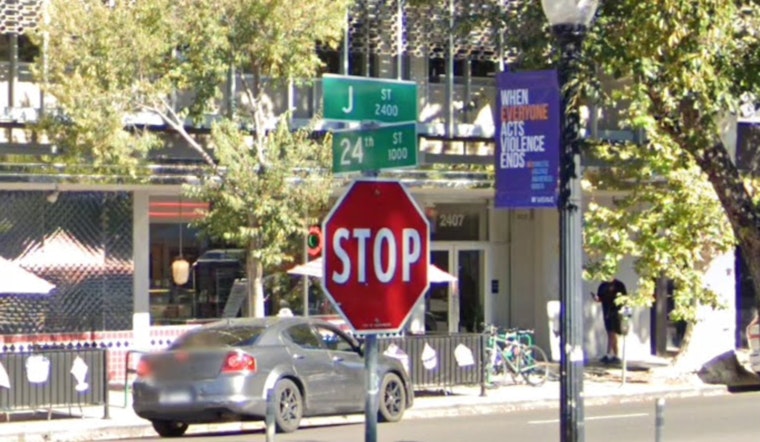
In a case that has rattled Sacramento’s cycling community, Sherry Martinez, the rider who was nearly killed when a pickup slammed into her group ride in Midtown, says she is now fighting a new battle in court. The man accused of hitting her has asked a judge to send him into California’s mental health diversion program instead of proceeding directly toward trial. Martinez, who suffered multiple broken ribs, a broken collarbone, a concussion and a collapsed lung in the August 2023 crash, fears a diversion order could ultimately wipe the slate clean and leave the charges dismissed without a full public reckoning.
Prosecutors charged 30-year-old Kaleb Taubman with felony assault with a deadly weapon and hit-and-run in late 2024, and he remains out on bail as the case crawls through the system. Martinez and her supporters say Taubman first pushed to have the crash treated as a misdemeanor, and now argues he has a qualifying mental health disorder for diversion, a move she has called a “get-out-of-jail-free card.” According to CBS Sacramento, Taubman is scheduled to return to court on February 9, 2026.
How diversion works in California
California’s pretrial mental health diversion law allows judges to put criminal cases on pause so some defendants can get treatment instead of heading straight for trial. To qualify, a defendant needs a recent diagnosis from a qualified mental health expert, and the court must find that the disorder was a significant factor in the charged offense, unless there is clear and convincing evidence that it was not. Judges also have to decide that community-based treatment will not create an unreasonable risk to public safety, and for felony cases the diversion period is capped at two years.
As laid out in California Penal Code §1001.36, defendants who successfully complete the program can see their charges dismissed, essentially giving them a legal reset. If they fail to follow the rules of treatment or are kicked out of the program, prosecutors can ask the court to restart the criminal case and move forward with prosecution.
Local officials push for changes
Sacramento County leaders have gone on record urging state lawmakers to tighten the diversion rules, arguing that recent expansions have made it easier for defendants to qualify, even in violent cases. At a June town hall, the county sheriff and District Attorney Thien Ho blasted the current version of the program and backed proposed bills that would narrow who can get in, according to KCRA.
Making the policy debate messier, statewide reporting on diversion results has been spotty. The Judicial Branch’s own publications show uneven county-level data, which makes it hard to tell how often diversion actually leads to lasting treatment or turns into a public safety problem. That information gap has become talking-point fuel for both critics of the program and some court officials who want clearer numbers before lawmakers lock in further changes.
What the victim wants and next steps
Martinez told CBS Sacramento she wants legislators to rewrite the law so violent cases are not treated as automatic candidates for diversion, stressing that accountability matters just as much to her as treatment. The case is set to return to court on February 9. If the judge approves diversion, Taubman would enter supervised treatment with regular check-ins before the court. If he fails to comply, prosecutors could ask to bring back the original charges. Martinez and her supporters say they are bracing for that decision, arguing that however the judge rules will send a message to victims and prosecutors statewide who are looking for clearer boundaries between treatment, mercy and plain old accountability.





