

























































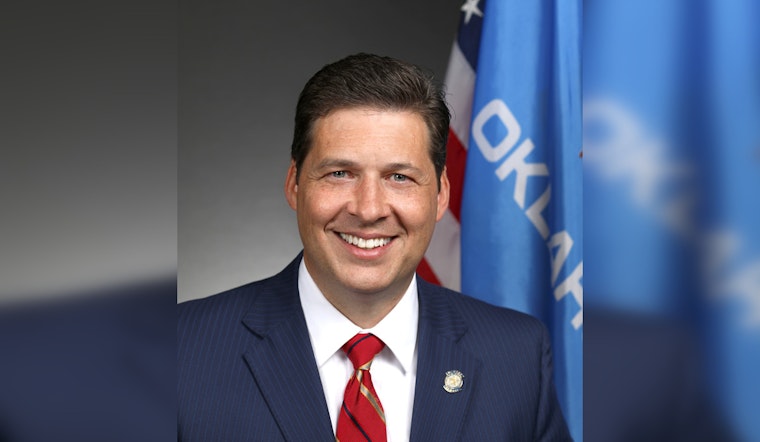
Oklahoma lawmakers could soon face breathalyzers along with budget debates, if one senator gets his way.
Sen. Shane Jett has introduced a bill that would flatly prohibit legislators from possessing or drinking alcohol while performing official duties. His proposal would authorize on-site breathalyzer tests at the Capitol and impose fines, expulsions from the chamber and even removal proceedings for repeat violations. The measure is designed to move what has largely been an informal expectation of sobriety into state law and to make presiding officers directly responsible for enforcing it. Jett says he was driven to act after what he describes as inebriated behavior on the Senate floor during a high-stakes vote last year, and his move has already stirred sharp resistance inside the chamber.
Jett, R-Shawnee, filed the measure as Senate Bill 1640. He told reporters he saw senators using aggressive language and appearing intoxicated during debate over the Legislature's removal of a top agency official, according to Oklahoma Voice. Jett, who chairs the Oklahoma Freedom Caucus, told the outlet he does not drink on the job and wants members held to a higher standard. The reporting notes that he raised the issue with leadership near the end of the session and that he has previously clashed with Senate leaders. The filing arrives on the heels of contentious votes last year that drew scrutiny across the state.
What the bill would do
Under SB1640, intoxication is defined as either a blood-alcohol concentration of 0.08 or visible impairment, according to the bill text on the Oklahoma Legislature website. Any lawmaker suspected of impairment would be required to take a breathalyzer test administered by a commissioned Oklahoma Highway Patrol officer. Refusing the test would count as a separate violation and could lead to immediate removal from the chamber.
The bill sets up escalating penalties. A first offense would bring same-day expulsion from the chamber and a fine of $500 to $1,000. A second offense within 12 months could lead to a multi-day expulsion, a $1,000 to $2,500 fine and mandatory alcohol education or treatment. A third violation within 24 months could mean expulsion for the rest of the session, a $2,500 to $5,000 fine and automatic initiation of removal proceedings. SB1640 also directs each chamber to adopt internal rules for how the policy is enforced and documented, essentially turning what might once have been a quiet hallway conversation into a formal paper trail.
Why Jett filed the measure
Jett says his push is tied to events late in the 2025 session, during debate over the resolution that removed Allie Friesen as the state's mental-health commissioner. Friesen's ouster drew extensive coverage last year, after lawmakers voted to fire her amid questions about the agency's finances and leadership, as reported by KGOU. Jett has described the scene as embarrassing and says that when he raised his concerns at the time, leadership did not step in.
Colleagues push back
Not everyone is buying Jett's account, or his solution.
Senate President Pro Tem Lonnie Paxton has pushed back strongly, calling Jett's allegations "baseless and lack credibility" and pointing out that Jett had already been removed from the vice chairmanship of the Rules Committee and barred from serving as a presiding officer, according to Oklahoma Voice. Democratic Sen. Mary Boren told the outlet she has never seen members drinking on the floor but worries the bill could turn into a "witch hunt" that might be used either to shield or to target particular lawmakers.
The split highlights a deeper argument at the Capitol over how to handle misconduct allegations: through informal leadership discipline behind closed doors, or by writing detailed enforcement mechanisms into state law where everyone can see them.
Legal and enforcement implications
SB1640 would not stop at chamber discipline. Confirmed intoxication would be routed into formal removal proceedings and referrals to courts and ethics bodies, with the bill language citing Section 1181 of Title 22 and Article II, Section 11 of the Oklahoma Constitution. The measure makes the Senate President Pro Tem and the House Speaker responsible for enforcing the rule in their respective chambers and subjects them to the same penalties if they fail to do so.
Because the proposal ties breathalyzer results, witness statements and video evidence to possible judicial removal, its passage would invite constitutional and procedural questions about lawmakers' due process rights. The bill spells out specifics on how breathalyzers must be used and how records must be kept, and the full language is available on the Legislature's website.
What to watch next
SB1640 is listed in bill-tracking tools for the 2026 session and its text is publicly posted. What happens next will depend on committee assignments, hearings and whether leadership is willing to revisit Jett's underlying allegations, according to LegiScan. If the measure advances, senators could be forced to publicly stake out positions on both Jett's claims and the mechanics of policing their own sobriety.
For now, one thing is clear: what started as an internal argument over decorum has turned into an open policy fight over how, and by whom, Capitol happy hour should be regulated.




