

























































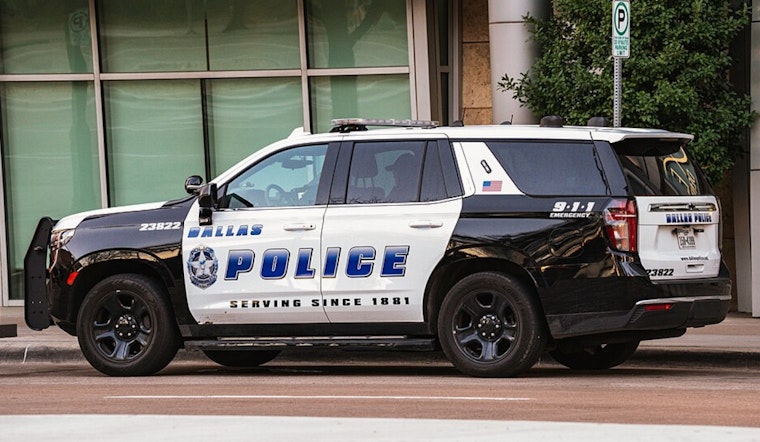
In Dallas’ southern neighborhoods, a planned six-figure public art project for the city’s new police training academy is landing with a thud. Neighbors are openly questioning why nearly half a million dollars in art should be tied to a law enforcement training site on a university campus, and whether that money could be better used elsewhere.
Those frustrations surfaced at a recent Public Art Committee meeting, where several residents pushed back on the idea of installing permanent artwork at the new academy.
What The Public Art Update Revealed
At the Jan. 6 Public Art Committee session, city staff described the academy art project as still in research and development, with an early budget estimate of about $463,200. They said they plan to gather input via digital surveys from the general public, police trainees and the University of North Texas at Dallas community.
The meeting also featured public comments from residents who criticized both the cost and the idea of commissioning art for a police training facility, according to The Dallas Morning News.
Why The Price Tag Is So High
The hefty number is not a one-off splurge but the product of city rules. Dallas’ public art spending is guided by a percent-for-art ordinance that peels off a slice of certain capital improvement dollars for artwork.
Under the Dallas City Code, starting in 1989 the city began allocating up to 1.5% of eligible capital improvement appropriations to select, commission and display public art. That formula is how a single construction site can automatically generate a six-figure art budget long before any artist or design is chosen.
How Dallas Picks Public Art
The Office of Arts & Culture describes the public art process as collaborative, involving community members, project managers, architects and a selection panel. Typical costs include artist fees, fabrication and installation.
City staff told committee members that no artist has been chosen yet. They said they could either pull from a roster of artists who have handled similar budgets or issue an open call, with a portion of the project funding set aside specifically for artist compensation. The office notes that public art pieces are usually permanent and may be built into the project’s architecture or installed in a public plaza.
Academy Footprint And The Bigger Money Picture
The new training center is slated to occupy roughly 20 acres on the University of North Texas at Dallas campus. Voters have already helped push the project forward: Dallas’ 2024 public safety bond included $50 million for the academy, according to reporting on the lease and bond process.
City staff have floated a construction timeline that starts in late 2026 and wraps in mid 2028. At the same time, officials are still staring down a roughly $124 million fundraising gap for the academy and an accompanying public safety complex, per coverage of the project’s rollout by local outlets such as KERA.
Community Pushback And What Comes Next
For now, city staff stress that the public art component is in its early days. No artist has been selected, and any installation would be timed to the academy’s construction schedule.
The Office of Arts & Culture points to community engagement as a key part of its selection process and notes that a slice of the project budget goes toward artist fees and administration, in line with the city’s public art program materials. Still, some speakers at the committee meeting urged officials to reconsider whether art should be placed at a police training site at all, and argued that the money would be better spent on direct support for local artists and community services.
What To Watch
Next up, residents can expect the city to roll out online feedback tools for the UNT Dallas campus community, police trainees and the broader public. The public art staff will also have to decide whether to recruit from a prequalified pool of artists or issue a wide-open call.
If the project moves into the artist selection and design phase, that will likely be the moment when community input, the look and feel of any plaza and the scope of the artwork shift from abstract talking points to something much more concrete.





