

























































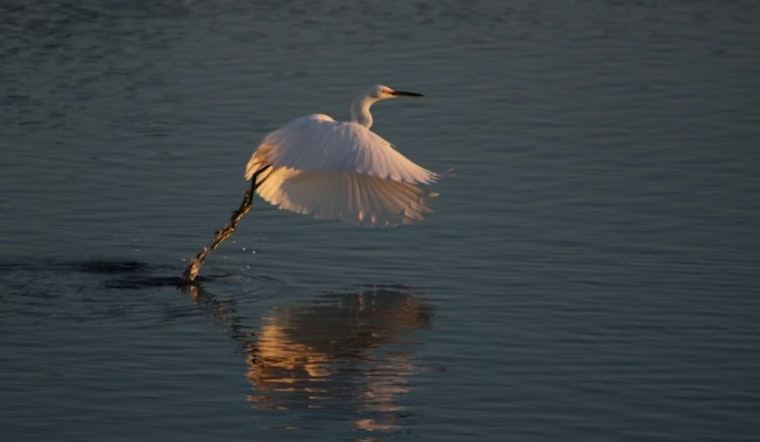
Fort Worth neighborhoods are gearing up for a familiar airborne headache as migrating egrets begin to roll back into town, bringing another season of white-streaked roofs, sharp odors, and round-the-clock squawking. In parts of north Fort Worth, residents say yards, cars, and patios are getting splattered so often that kids are staying inside and normal street life is on pause while the trees fill up with dense rookeries.
According to WFAA, neighbors in the Park Glen area have complained about a strong smell, property damag,e and nonstop noise as large flocks reclaim local trees. Earlier coverage from FOX4 showed hundreds of birds lining streets like Teal Drive and quoted residents who say city cleanups help for a day, then the mess is right back. Some homeowners describe a near-constant chorus of honking from passing drivers and daily efforts that barely keep rooftops and driveways presentable.
What The City Recommends
The City of Fort Worth has a clear message for residents who want to keep their block from turning into a rookery: start early. Officials say the most effective tactic is prevention by trimming and thinning tree canopies, hanging reflective streamers, and using loud but harmless sounds such as air horns, bells, or banging pots to discourage birds before they settle in. The city stresses that the deterrence window opens weeks before nesting begins, so waiting until eggs appear is essentially waiting too long.
City staff also offer guidance by phone and online for neighborhoods that want help documenting rookery locations or arranging any city-managed intervention that might be allowed after a review. The emphasis is on planning, coordinating with neighbors, and treating prevention as a seasonal chore rather than a last-minute emergency.
Federal Protections Limit Options
According to the U.S. Fish and Wildlife Service, most migratory birds and their nests and eggs are protected under the Migratory Bird Treaty Act. That protection means active nests generally cannot be removed without federal authorization. Fort Worth officials have told local outlets that they must evaluate colonies under federal permitting rules and that only limited actions are allowed where permits apply, a point that frustrates residents hoping for quick, aggressive cleanup work.
Those legal guardrails are a big reason the city keeps steering residents toward deterrence instead of removal. Once nests are active, the options narrow fast, and the situation turns from noisy nuisance into a regulatory maze.
How Big A Problem Is This?
In past seasons, parts of Fort Worth have seen colonies of a few hundred birds, and the resulting guano piles are not just ugly. The buildup can speed up roof and landscape deterioration, according to reporting by the Fort Worth Report. Some neighborhood groups have responded by pooling money to hire professional tree trimmers and thin the canopy cover before the birds lock in their nesting spots.
That kind of coordinated pruning, described in neighborhood guides and in proactive strategies coverage, has become a go-to move in areas hit year after year. For many homeowners, the upfront cost of prevention ends up cheaper than repeated repairs to roofs, siding, and landscaping after a full season under a rookery.
Legal Limits
The Migratory Bird Treaty Act broadly prohibits taking or destroying migratory birds and their nests without a permit, and legal analyses note that courts have wrestled with how far incidental-take liability can reach. That makes the law tricky for both cities and private residents to navigate. In practical terms, federal and local guidance point homeowners toward nonlethal deterrence and working with city departments instead of trying to do-it-yourself nest removal that could invite penalties.
For residents in affected neighborhoods, that leaves a fairly short to-do list with a tight deadline: trim trees now, plan yard work so it lightly disturbs potential roosts, and consider reflective streamers or scheduled bursts of noise to nudge birds along before they build nests. The city offers step-by-step prevention tips through its code compliance resources, and current local coverage of the Park Glen situation is available from WFAA for residents keeping an eye on how the season unfolds.



