

























































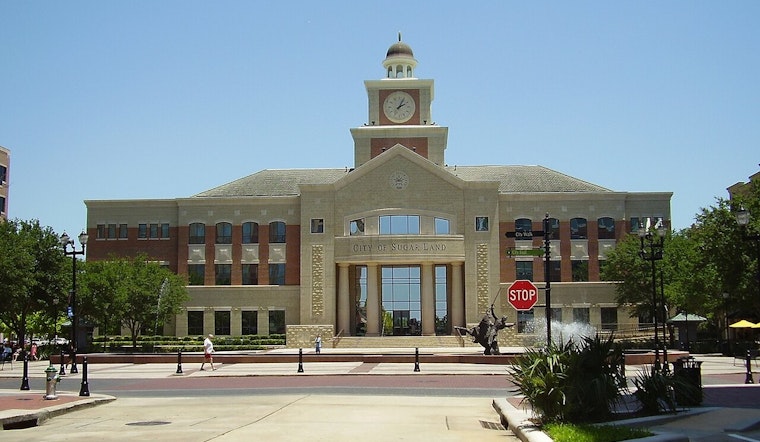
Sugar Land is getting ready to put more of the city on camera. On Tuesday, the City Council signed off on a multi-million-dollar expansion of the city’s surveillance footprint, approving more street-mounted and license-plate cameras plus software to funnel all that footage into a centralized police "crime center." The package covers both new imaging hardware and licenses for software that can pull together video and sensor data, continuing a long-running effort to lean on technology as part of the city’s public-safety strategy.
What the council approved
According to KHOU, council members backed a multi-million-dollar package described as funding "expanded surveillance technology." That includes additional cameras and software to support the police department’s crime-center operations. KHOU reported that the money will go toward imaging hardware and systems that centralize video and license-plate data in one place. The station also noted that it did not receive a firm total cost or list of vendors, and that the vote came at a regularly scheduled council meeting on Tuesday.
Sugar Land's camera history
Sugar Land has not exactly been shy about adding cameras in recent years. The city has steadily expanded its use of automated license-plate readers and other systems, and the Houston Chronicle reported in early 2024 that Sugar Land approved a roughly $1 million, five-year contract with Flock Safety to update its LPR network. The City of Sugar Land also maintains a Crime Prevention Camera Program page that lays out how LPRs and registered private cameras can be used in investigations and provides maps showing where they are deployed. Against that backdrop, city leaders have presented this week’s vote as an expansion of existing public-safety investments rather than the launch of a brand-new surveillance program.
How the "crime center" software works
The newly approved software is intended to gather multiple live feeds into one screen that analysts can work from in real time. In practice, that means CCTV streams, ALPR reads, 911 calls, and other sensor inputs can be pulled into a single searchable console during an unfolding incident. Companies such as Axon have rolled out similar platforms after acquiring Fusus, which is designed to combine video and sensor streams into one dashboard for so-called real-time crime centers. Police agencies that use these systems say they help speed up responses and investigations by making different types of data accessible from one place instead of requiring staff to chase down feeds from several separate tools.
Privacy and civil-liberties concerns
On the flip side, privacy advocates point out that dense networks of ALPRs and round-the-clock monitoring software raise difficult questions. Core issues include how long data is stored, which employees or outside agencies can access it, and whether any of it is shared with federal partners. The Electronic Frontier Foundation and local reporting on similar fights in cities such as Oakland have highlighted how contentious these contracts can become once residents start pressing for details. Those battles elsewhere frame the same trade-offs Sugar Land is now navigating between faster investigative tools and community expectations of privacy.
Why it matters locally
The council’s move comes as Sugar Land continues to pour substantial resources into public-safety facilities and technology. Recent bond and budget cycles have included funding for design work on a new police headquarters and for expanded training facilities. Community Impact has detailed those capital projects and the city’s focus on public safety in its long-term improvement plans. For residents, the new surveillance package is one more piece in a multiyear build-out of the police department’s capabilities, not a one-off gadget purchase.
What's next
Specific vendor contracts, deployment maps and any formal data-retention rules are expected to surface in procurement documents and future council agenda packets. Those materials, along with recordings of meetings, are posted on the city’s meeting agendas page. Residents who want to track how the system rolls out or speak during public comment can find agendas and videos through the City of Sugar Land meeting page.



